The AI Ghost-Hunting App Downloaded by Millions Uses Magnetometers and Drawing to Create Paranormal Phenomena
The AI Ghost-Hunting App Downloaded by Millions Uses Magnetometers and Drawing to Create Paranormal Phenomena

2026-11-19 10:06
Introduction: What truly resonates with people is cognitive bias in the brain and the innate demand for mysticism. There’s a well-known rule: whenever humans gain access to any new technology, their first instinct is to assign it color.
There’s a universal law everyone knows:
Whenever humans acquire a new technology, their first reaction is to assign it symbolic meaning.
Yet another group moves just as fast toward new tech—this is the paranormal community.
As soon as something new emerges, someone will inevitably bring it to haunted locations to test its power.
Ancient times had Zhong Kui and yellow talismans—craftsmanship—but today, it’s all about technological innovation.
After radios became widespread, people waved them across channels, claiming ghostly voices emerged from static, demanding to tune into an "underworld radio station." With the invention of photography, whenever a translucent figure appeared in a photo, everyone pointed at it and said, “That must be it.”

Today, AI has brought this age-old practice into the digital era.
Recently, a paranormal app exploded in popularity overseas—GhostTube SEER—marketed as “the world’s first AI-powered ghost-hunting tool.”
What it does sounds absurd: stand in a supposedly haunted room and ask, “What happened here before?” Moments later, an image appears on screen—a woman, an old house...
You speak into thin air, and the app occasionally responds with an image, giving the illusion that some unseen entity is communicating. This kind of experience, especially at midnight, is deeply thrilling. The app has already surpassed one million downloads on Google Play.
People waiting in the dark with phones in hand, hoping to see a ghost, are far more numerous than imagined.
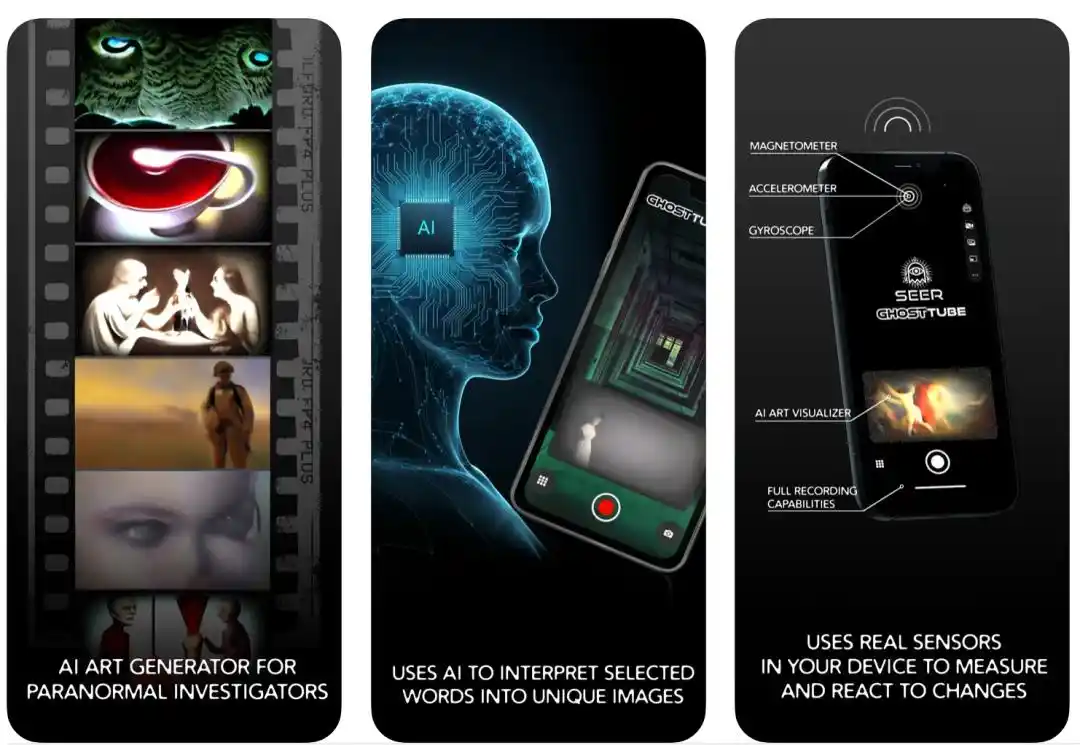
01 Midnight, Opening a Ghost-Hunting App
Imagine it’s midnight now, you’re alone in the hallway of an old house, lights off.
You pull out your phone, open SEER—the screen goes black for several seconds, silent enough to hear your own swallowing.
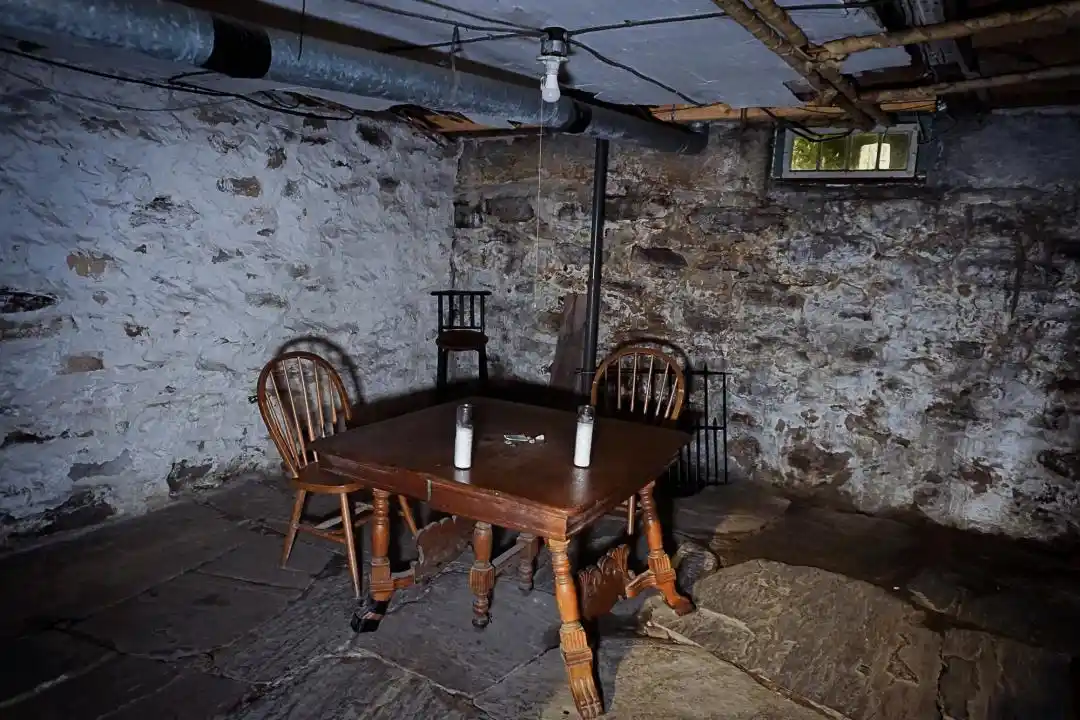
The image flickers on: a hallway captured by your phone’s camera, layered with a dim, moody filter—perfect atmosphere. You’ve arrived at the right place. A magnetic field indicator appears on screen, supposedly showing fluctuations in the room’s magnetic field. This is part of paranormal protocol: spirits disturb local magnetic fields. For now, readings remain stable.
You whisper: “Is anyone here?”
No response. You exhale in relief, yet feel a tinge of disappointment.
You step further down the hall, pause before a closed door. Suddenly, the magnetic field spikes—your scalp tingles.
In the center of the screen, an image slowly emerges: a woman standing by a window.
This is the “entity” in the house trying to show you something through magnetic anomalies.
You can keep asking questions, keep walking—the app occasionally reveals a new “vision.” You can save images to your gallery or record videos to review later.
Naturally, testing this in any ordinary old house feels underwhelming. To really go all-in, follow the developers’ lead and head straight to a real haunted mansion.
SEER was created by a married couple from Australia—Amy and Jarrad.
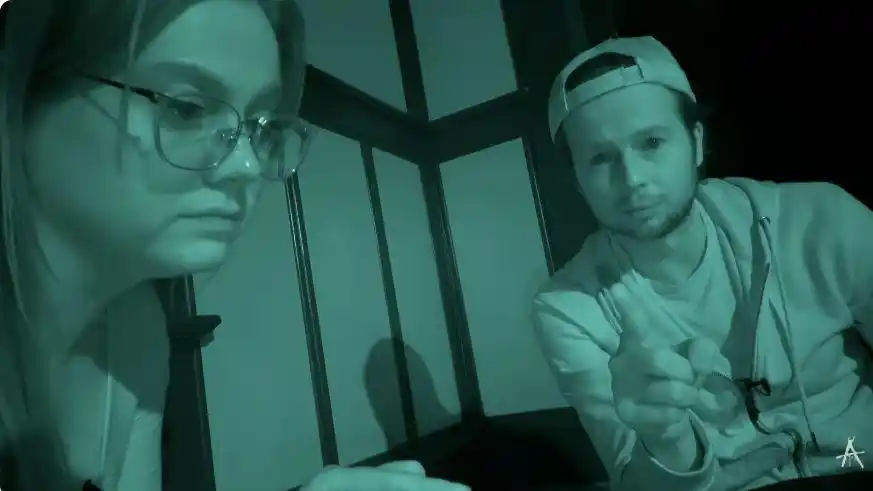
They’re professional paranormal investigators—whenever a location gains notoriety for hauntings, they go stay overnight, essentially treating haunted houses like Airbnb. In one episode, they visited the Winchester Mystery House in California.
This mansion is one of America’s most infamous haunted sites. Legend holds that after her husband and daughter died, the owner consulted a medium who claimed vengeful spirits from victims of Winchester rifles were haunting her. As long as construction continued, the spirits would not approach.

Thus, the house was built day and night—from eight rooms to roughly 160. It features doors that lead nowhere, staircases that spiral into empty space, and repeated appearances of the number 13 throughout. The entire structure functions as a massive maze designed specifically to trap spirits. No one knows exactly what happened inside—it’s filled with legends and rumors.

Image | A door on the Winchester Mystery House wall leads “into the void”
They chose a room inside, sat down, opened the app. Jarrad asked into the air: “Can you show us what happened in this room before?”
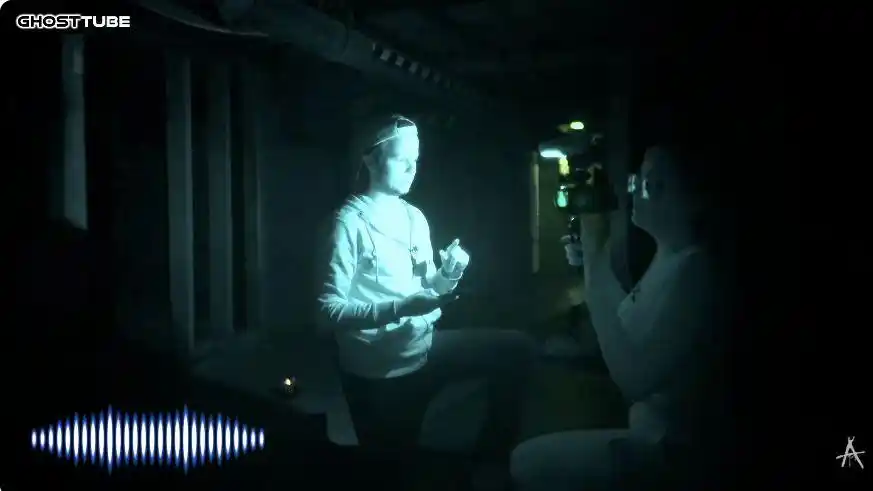
First, a wooden wall appeared on screen, draped with golden curtains—resembling an old bedroom.
A little later, a woman reading appeared.
Then, a woman in a black shawl.
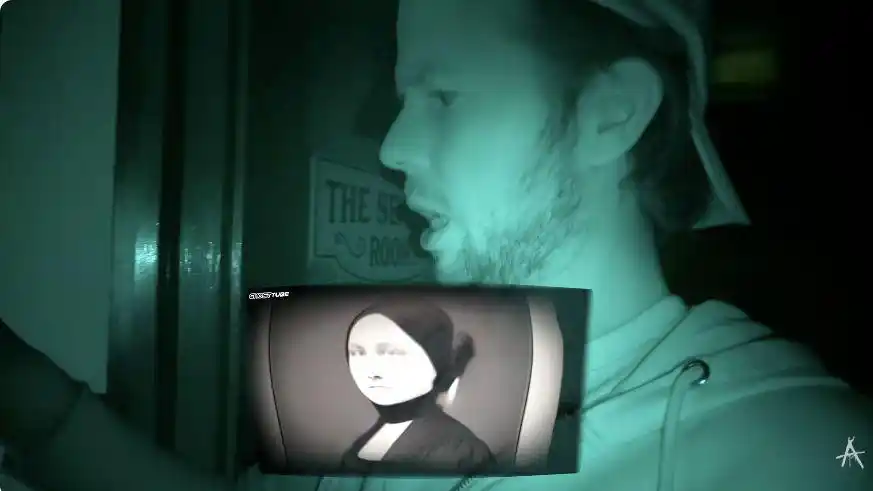
Finally, a flock of white birds flying upward.
In a house built over decades by a widow trying to evade spirits, a woman in a black shawl appears. If I were sitting there, my spine would have turned cold.
Their audience loves these moments most. One longtime viewer said the most chilling part was how perfectly the app-generated corridor and room matched the actual space they were in.

When they catch something, naturally they want to share it—and even comment on it. The app includes a community feature where users post their ghost sightings, view each other’s findings, and leave comments. The platform also catalogs over 1,000 reportedly haunted locations worldwide. Want to explore a haunted site this weekend? Check what others have found there first—essentially, a ghost-hunting version of Yelp.
Not every spirit shows up on command. Free users have a daily limit on how many spirits they can encounter. To invite more spectral visits, you need a subscription: $3.99/month or $14.99/year.
How often ghosts appear depends entirely on whether you pay—or “give the knife.” This might be the most cyberpunk, modern, and consumerist supernatural setup I’ve ever seen.
This model has attracted the most seasoned veteran “witches” in the community. Hard to imagine what their customer support must endure daily. One user claiming to be a born medium paid their annual fee but got locked out—furious, they vented in the comments, ending with a threat: “You’ve angered the spirits.” Instant spiritual confrontation—magic versus magic.
Audio and visuals aren’t enough. The couple also sells a headset called GhostTube Lens, using the same concept as cheap smartphone VR viewers: insert your phone, put it on your face, and suddenly only a screen remains—surrounded by darkness.
Put it on, and your third eye opens.
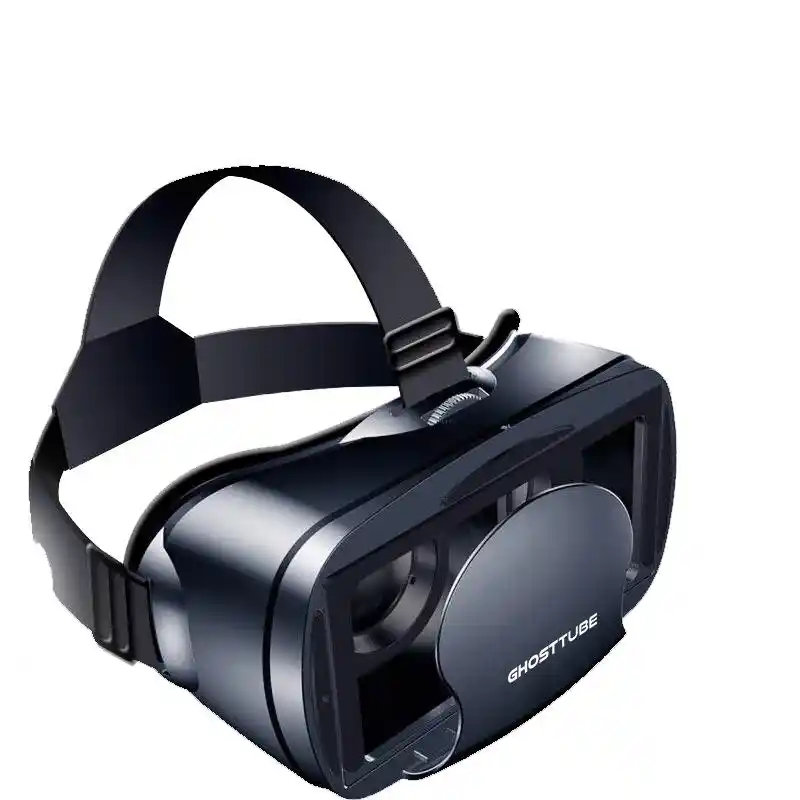
Once worn, you can fix your gaze on something: smoke, a flickering flame, a swinging pendulum clock, or a screen full of snow noise. Choose snow noise—if you’ve seen *The Ring*, you know the script: next second, something crawls out of the screen.
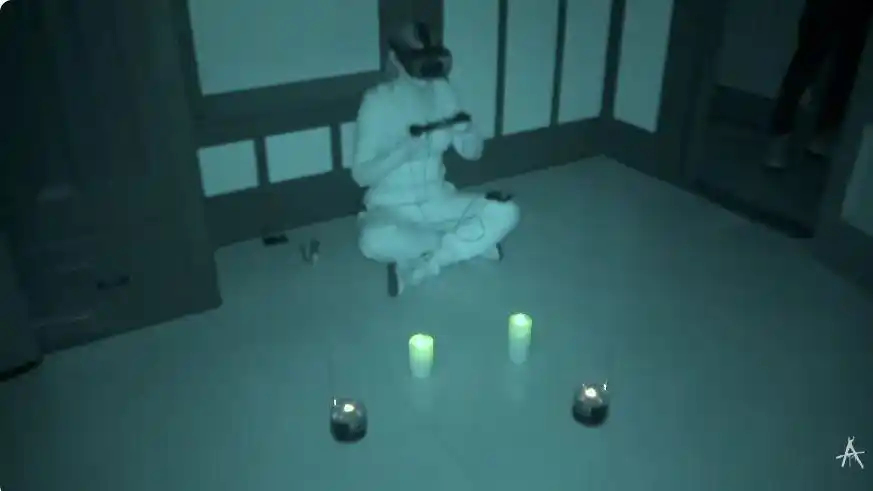
This method isn’t arbitrary—it’s rooted in traditional paranormal techniques. A classic ritual involves one person blindfolded, wearing noise-canceling headphones to block out sensory input, while another asks questions. The blindfolded person reports aloud what they perceive.
Paranormal practitioners believe blocking eyes and ears heightens sensitivity to “the other side.” Now, instead of blindfolds, we use screens—the spirits speak directly to your vision.
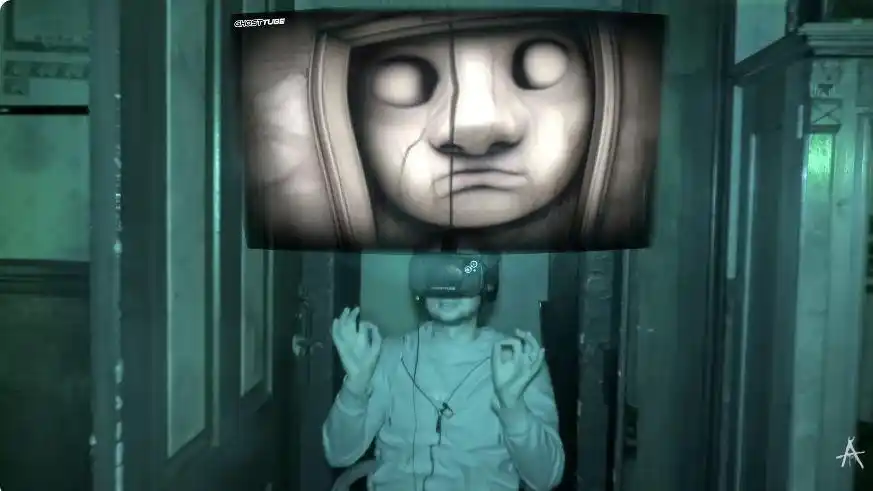
Good news: buying the headset comes with a free year of membership.
Over time, this couple has developed five different ghost-hunting apps. Each has amassed millions of downloads. They’ve turned ghost hunting into a complete ecosystem.
02 Cybernetic Ghost-Hunting Guide
By now, some readers may wonder: How does this app actually “see” ghosts?
Don’t laugh, but deconstructing SEER reveals the entire process takes just three steps: scan magnetic fluctuations, extract a word, turn the word into an image. So simple it makes you want to refund your money.
SEER’s responsiveness relies on a tiny sensor in your phone called a magnetometer. Nearly every smartphone has one, originally designed to detect magnetic field strength and direction so map apps can determine which way you’re facing.
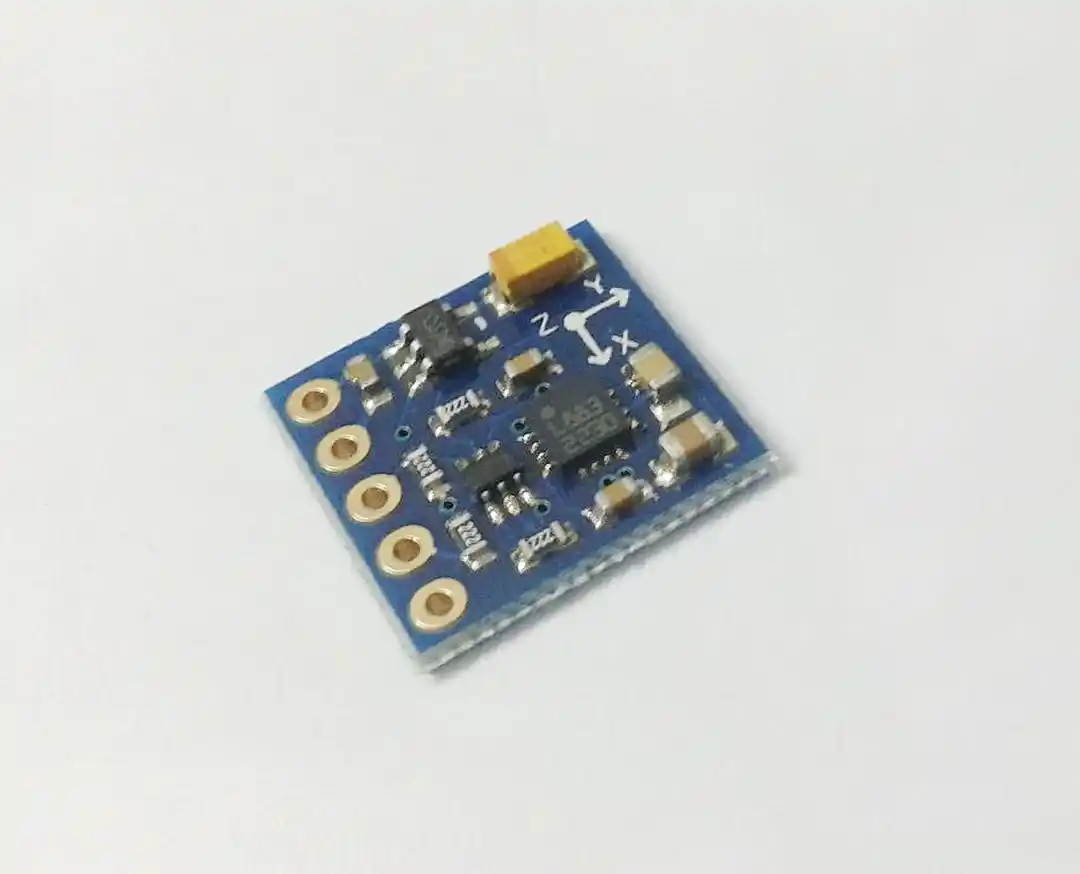
But here’s the rule we all know: current generates magnetic fields.
Inside a typical modern room, electricity is everywhere.
Wires run through walls, motors power refrigerators, washing machines, air conditioners—all fluctuating in power output when running, altering nearby magnetic fields. According to SEER’s standards, this turns your home into a magical spell matrix.
Even unplugged devices aren’t innocent. Refrigerator seals contain magnetic strips; motors include permanent magnets that remain active even when powered off. Steel beams and iron pipes subtly distort Earth’s magnetic field nearby.
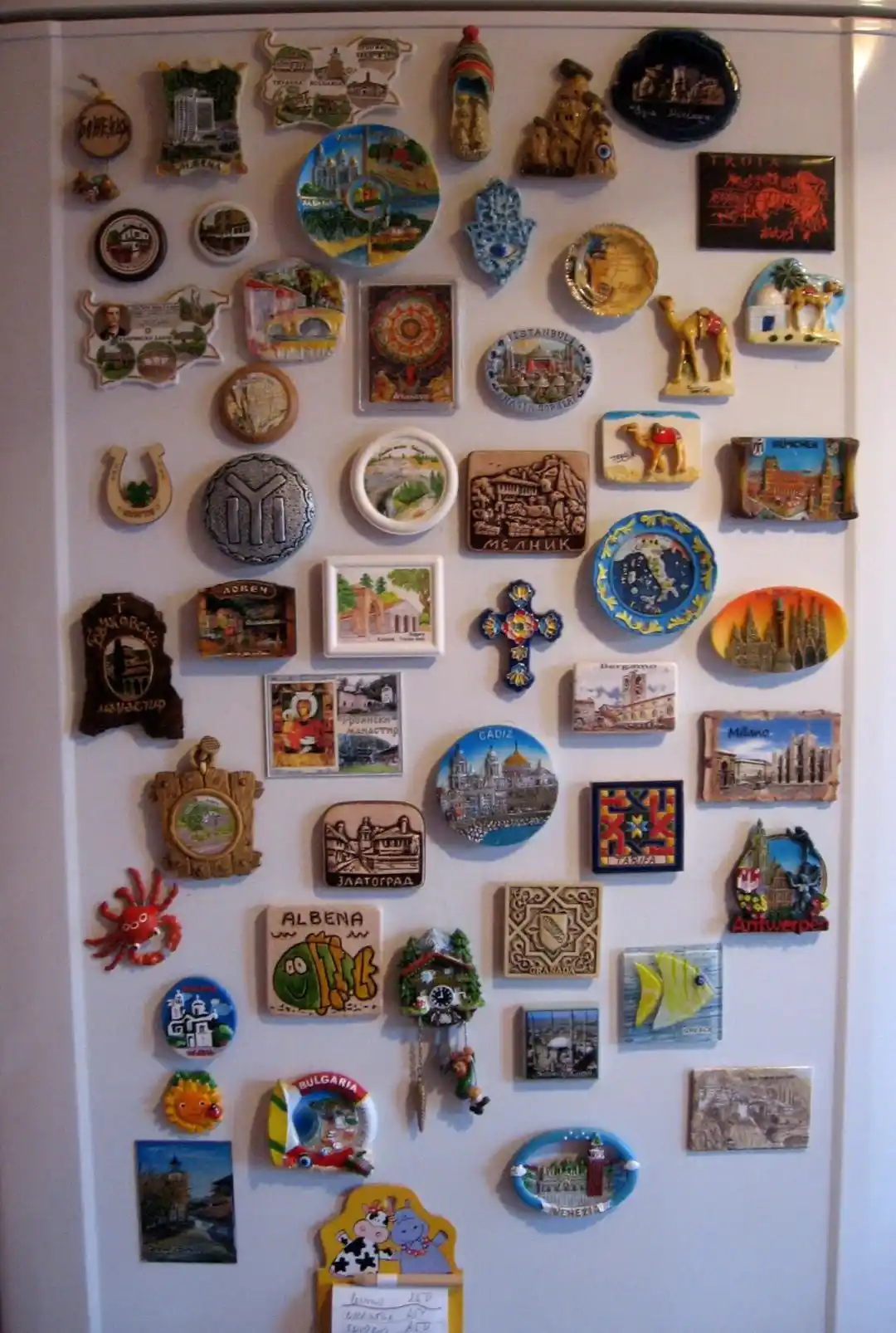
One tester used a paranormal app at home. Normal readings hovered around tens for Earth’s magnetic field. But when near the fridge, values spiked past 200. Add two fridge magnets for “protection,” and it becomes a supernatural battlefield—no force can contain it.
By this logic, the most spiritually charged places are appliance stores—refrigerators, washers, AC units lined up in rows, creating a grand-scale *Night of a Hundred Spirits* event.
SEER sets thresholds: once magnetic fluctuations exceed a certain level, it declares “ghost detected.”
When a ghost arrives, it needs to speak—Step 2: word extraction. The app maintains a database of thousands of words—names, objects, short phrases. When the magnetometer detects a spike, it randomly selects a few from the list. This step requires no AI—just like drawing lots at a temple. Shake the box, whatever falls out is fate.
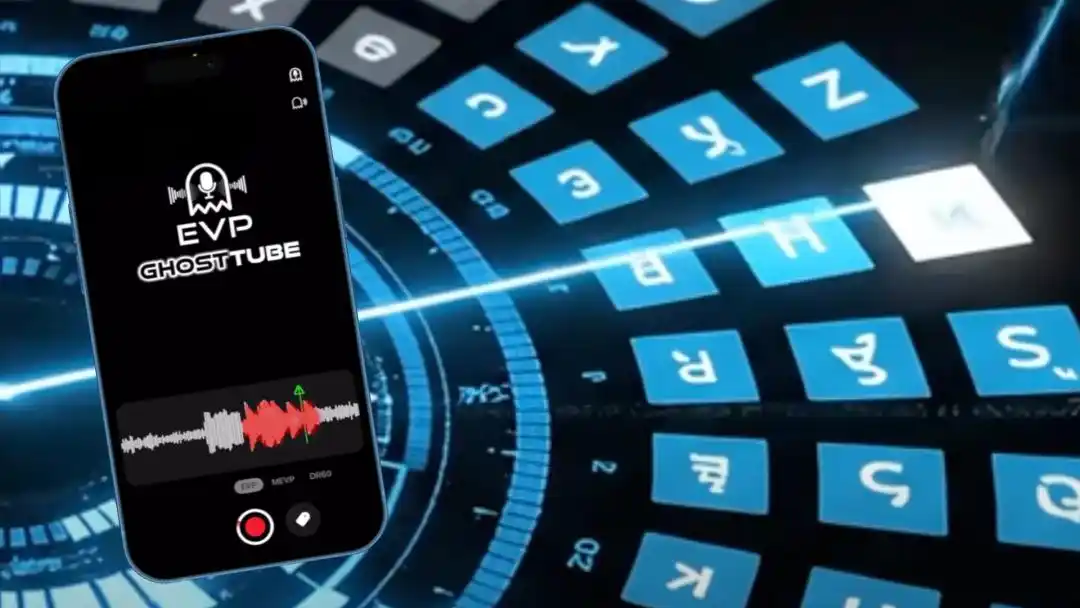
Their earliest app did nothing but this: read out random words via machine voice. Alone in an empty house at midnight, hearing a stranger’s name spoken suddenly—already chilling enough.
SEER adds one more layer: send the extracted word to a server, where AI renders it into an image. That’s Step 3—simple and direct. We won’t dive into AI image generation here—everyone’s seen dozens of Huang Renxun-style AI videos lately.
So in this app, expect generated images and videos with a strong paranormal vibe: a white-clad figure drifting by, curtains fluttering in the wind, paired with eerie audio—enough to build overwhelming atmosphere.
Three steps, none requiring advanced technology. Yet this app has over a million downloads, and users pay monthly subscriptions just to invite ghosts more frequently.
I can only say: impressive!

03 Whether You Believe It Or Not,
Mysticism Is a Hard Demand
The true intrigue lies here: mysticism is a hard demand—regardless of belief.
In the U.S., 39% of adults believe in ghosts. 30% seek astrology, tarot, or fortune-telling at least once a year. Whether they actually believe doesn’t matter—most just enjoy playing the game.
We’re similar here. Deny it verbally, but rush to share a lucky fish before exams. Belief in ghosts, gods, or stars—they all satisfy a persistent psychological need.

Meanwhile, as workers globally leverage AI to boost efficiency and avoid being downsized, the cybernetic mysticism sector is rising rapidly.
Last Lunar New Year, as DeepSeek surged in popularity, many young users immediately tested it for fortune-telling. Pre-made prompts circulated online—starting with: “You are now a professional researcher in traditional Chinese BaZi astrology, having studied works like *Qiong Tong Bao Dian*…” Then fill in birth date/time/place. Some even added their MBTI type.
It began: career direction, key years of opportunity, appearance and personality of your soulmate, profession, meeting circumstances—each detail laid out clearly, one by one.
Of course, AI sometimes goes off-script: suggesting you drop out and fail intentionally, marry a construction worker with only middle school education, open a hardware store in a county town, or even eat 49 days of spicy konjac snacks to pass exams…
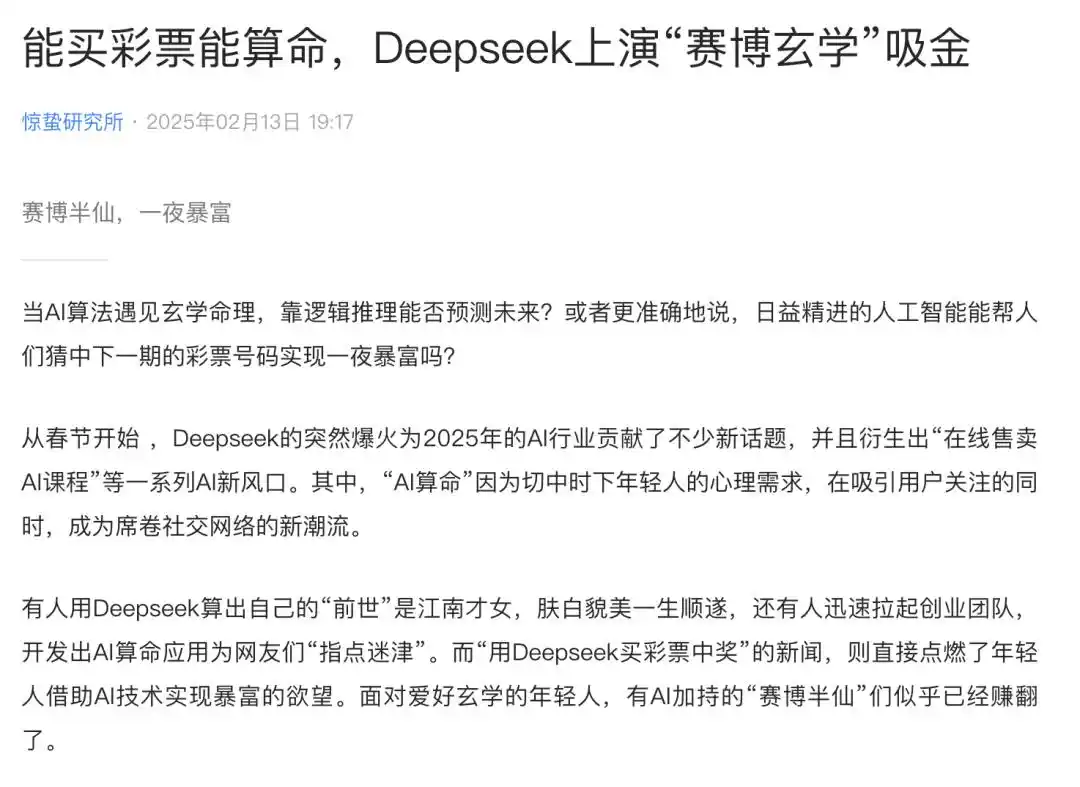
The most addicted users take it seriously: waking up, they ask AI to interpret dreams first—anything else is taboo, fearing interference with DeepSeek’s accuracy. Such caution is already worship-level—afraid one extra question might break the oracle’s divine power.
Westerners don’t do BaZi, but they haven’t missed out on this business either.
Abroad, there are apps dedicated to training AI mediums—dozens of distinct personas, capable of text chat, video calls, voice interactions, palmistry, horoscope reading—all for payment in virtual currency. AI mediums tell users: “You’ll marry soon,” “Your aura is pink,” “Your past life might have been a herbalist.”
When compared to ghost-hunting apps, the pattern is clear: it’s the same craft, broken into three identical steps.
Step 1: feed it raw data. Ghost apps use magnetic field fluctuations; fortune-telling apps use birth charts. Neither contains the answer within the numbers—those digits don’t reveal your soulmate’s face.
Step 2: let AI expand. Generative AI excels at turning minimal input into elaborate narratives or detailed images. A few numbers become a full destiny scroll; a few words become a dusty old haunted room with golden curtains.
Step 3: let the human interpret. Rest assured, the person will self-identify instantly. This is where the real magic happens—and humans are exceptionally skilled at it.
For example, the human brain is wired to recognize faces in random patterns.
In 1976, NASA’s Viking 1 captured an image of a Martian hillside. Sunlight hit it at an angle, forming a striking resemblance to a human face. It was long cited as evidence of alien life.
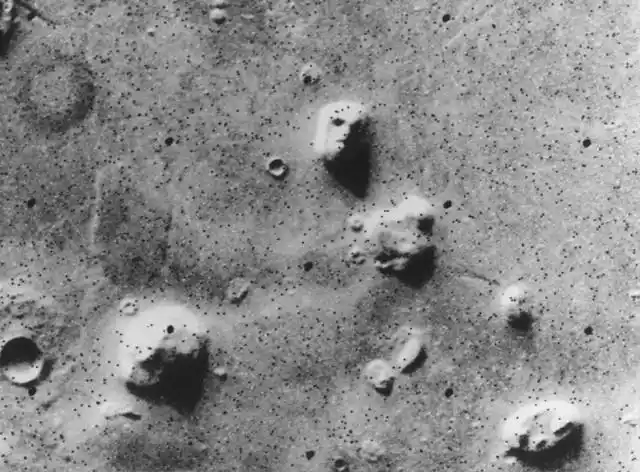
Neuroscientists studied this phenomenon: when seeing “faces” in tree bark or fruit, the brain’s facial recognition region activates first, treating it as a real face—only after about a quarter-second does it reclassify it as an object.
This flaw is evolutionary. Monkeys do the same.
Evolutionary theory suggests: better to sound false alarms than miss real danger. A rustle in the bushes mistaken for a beast means a wasted trip; mistaking a beast for wind could mean death. Thus, the brain prefers to misidentify 100 times rather than miss once.
If you spend a whole night watching dozens of AI-generated images, one will inevitably trigger a jolt in your gut.
Then there’s the Barnum effect—interpreting vague statements as personal truths.
In 1948, a U.S. psychology professor gave his class a personality test. Days later, he distributed “personalized analysis” reports and asked students to rate accuracy—on a scale of 5. Most rated it highly, averaging over 4 points.
Then he revealed the truth: everyone received the same text, compiled from astrology books. One line read: “Sometimes you’re outgoing, warm, sociable; sometimes you’re reserved, cautious, conservative.”
Such statements apply to almost anyone. During DeepSeek’s fortune-telling craze, users tested themselves and friends—results were strikingly similar.
When demand exists, technology enables it, and the human mind naturally seeks personal alignment—business is born.
Now, the biggest losers are real-life mediums.
Fortune-telling used to be the domain of human psychics. Now, AI mediums are available on-demand—real psychics can’t sit still. Major platforms abroad have banned their staff from using AI. Many psychics now explicitly add “No AI” in their bios—assuring clients they’re speaking to a living person.
But some think faster: they embrace AI instead. One company is recruiting mediums to train their own AI avatars.
Looking back at the ghost-hunting app: a compass, a word bank, and an AI image generator—combined to create a midnight experience that chills your spine, and gets people to willingly pay monthly fees to “subscribe” to ghosts.
Using the simplest technical principles, delivering maximum psychological impact—fulfilling humanity’s deepest, oldest desires.
Evidently, the potential for AI applications remains bottomless.

Source: Cool Lab
Disclaimer: Contains third-party opinions, does not constitute financial advice


Douyin Releases 220,000 AI Animated Series in Half a Year, Most Creators Earn Less Than $10 Monthly
07-29
ByteDance's Douyin Beans priced at 68 RMB—worth it for 382 million monthly active users?
07-25
62 Yuan AI Community Collected 248,000 in 4 Days—First Lesson? Recruiting Referrals
07-23
Ditching Salesforce? U.S. Small Businesses Save $100K Annually with AI
07-23
The AlphaGo Moment in Cybersecurity, or Starting from These 466 Agent Matchups
14 days ago
The Trump administration plans to offer Constellation Nuclear a $5 billion loan for capacity expansion, with the additional power mostly pre-allocated to AI giants such as Google
21 days agoSilicon Valley Executives Spark Controversy Over Using AI for Household Tasks; Survey Reveals Half of American Adults Worry About Impact on Relationships
21 days ago


