After programming, Anthropic aims to become the TSMC of the pharmaceutical industry
After programming, Anthropic aims to become the TSMC of the pharmaceutical industry

2026-11-18 10:07
Introduction: Claude’s multi-model orchestration, wet lab experiments, and pharma partnerships close the R&D loop.
01. Key Takeaways
• Biopharma is Anthropic’s next high-value focus area after Coding. Drug discovery demands the highest-tier intelligence, and each key advancement in the process can generate substantial asset value, enabling AI’s shift from API-based billing to outcome-based payment models.
• Anthropic’s current priority is rapidly closing the loop. As computational power improves, molecular design loops run faster, but bottlenecks increasingly shift toward wet lab validation. Molecular designs can now be generated swiftly, making the fastest path for Anthropic to close the loop using Claude to orchestrate molecular design models like BoltzGen and accelerate their efficiency on GPUs. Meanwhile, molecular validation remains constrained by wet lab capabilities, prompting Anthropic to build its own labs and actively collaborate with external facilities to obtain reliable feedback and accelerate research iteration.
• We believe Anthropic is the strongest and most serious player in the AI for Science space. Compared to OpenAI, Anthropic is more focused. Compared to Eli Lilly, Anthropic is more AI-native. While OpenAI entered biomedicine early, its scope spans personal health, healthcare services, and life sciences—less focused than Anthropic’s singular vision. In contrast, Eli Lilly, as a traditional pharma company exploring AI-driven drug development, leverages proprietary data and pipelines, primarily building platforms through partnerships, maintaining a conservative pace and organizational structure.
• Anthropic is gradually entering pharmaceuticals but is cautious about relationships with big pharma. Currently, it focuses on preclinical stages and rare diseases. Anthropic is advancing its own pipeline to understand how AI models perform and where they fail within real-world R&D workflows. Long-term, a direct entry into drug manufacturing remains possible, though current dynamics require careful balancing. To avoid competing with major pharma clients, Anthropic restricts its internal R&D to preclinical phases and targets rare diseases where large pharma invests less.
• Claude’s enhanced capabilities are reshaping biotech organization structures, making the “pipeline-in-a-person” model feasible. The future biotech may consist of a single experienced lead, empowered by numerous AI agents and external labs, capable of executing what once required large teams. Anthropic’s recent acquisition of Mithril provides a compelling example.
• Anthropic will reshape industry dynamics and value distribution in pharma. Ultimately, its role may resemble TSMC in semiconductor manufacturing: Anthropic handles early discovery and R&D, while pharma companies manage clinical trials and commercialization. This year, through Claude Science as a scientist’s interface and MHS to unify scientific lab ecosystems, Anthropic has begun laying the groundwork for transforming the research landscape. In the second half, they accelerated protein design and supported the “pipeline-in-a-person” model, deepening integration into biopharma workflows—signaling emerging shifts in value distribution.
02. Why Anthropic Prioritizes Biopharma
Compared to OpenAI, Anthropic’s strategy is more focused. The previous company-wide bet on Coding delivered massive success, enabling Anthropic to overcome OpenAI. Now, following Coding, biopharma represents the next high-value breakthrough paradigm. Anthropic’s S1 filing explicitly states that science-focused agents will become reality by 2026. The company ranks life sciences alongside robotics among its top new business priorities. Dario also stated in Anthropic’s pitch deck that he believes diseases such as cancer, Alzheimer’s, and heart disease could become historical within a decade.
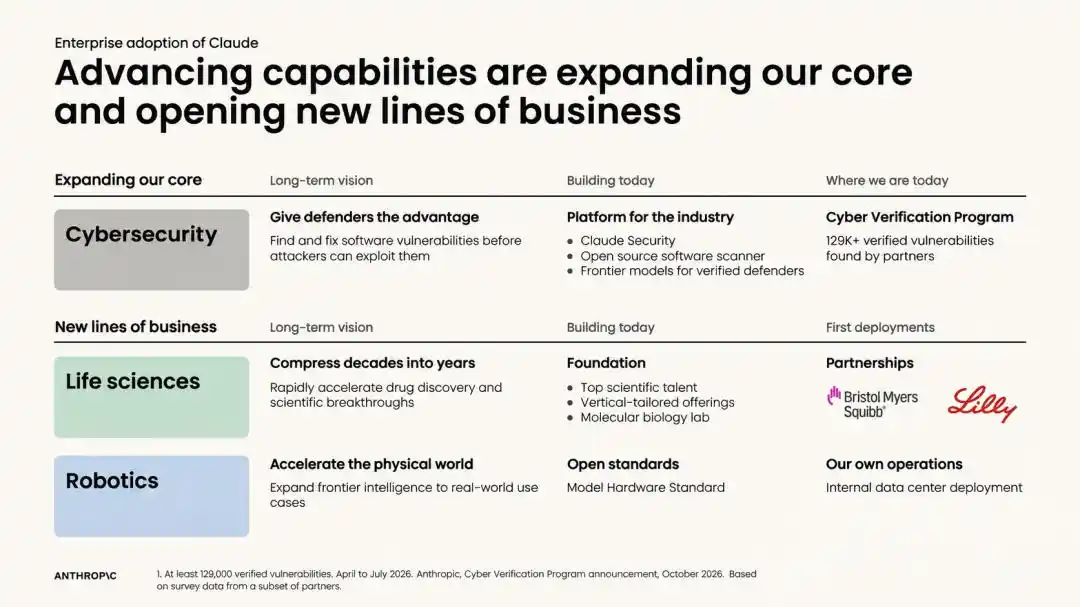
Anthropic’s pitch deck lists Life Sciences as one of two future growth pillars
We believe Anthropic’s strong emphasis on biopharma stems from several core reasons:
• Biopharma may be the most promising domain for AI adoption of outcome-based pricing.
• Anthropic’s prospectus explicitly aims to become a virtual collaborator, with core capability being direct delivery of task outcomes. Among all sectors, biopharma offers the best-fit outcome-based model. Each milestone in drug discovery—such as candidate molecules meeting predefined benchmarks or positive clinical trial results—generates tradeable asset value, enabling substantial milestone payments to partners.
• Drug discovery is the next high-value task after Coding and represents the crown jewel of intelligence.
• By 2026, global annual pharmaceutical spending exceeds $2 trillion. A successful drug can yield significant commercial returns. For instance, GLP-1 drugs alone—Lilly and Novo Nordisk’s main products—projected annualized sales this year already approach $100 billion. Beyond scale, drug discovery demands understanding complex biological mechanisms, formulating hypotheses under incomplete information, and iteratively refining judgments via experimentation—placing extreme demands on cutting-edge intelligence.
• Dario personally holds deep interest in biology, one of the few areas Anthropic has heavily committed to.
• Before joining AI, Dario conducted research in biophysics and completed his postdoctoral work at Stanford School of Medicine. His father died of hepatitis, but within five years of his death, medical advances reduced the disease’s mortality rate from 50% to 5%. This experience shaped Dario’s perspective on technology and time. In *Machines of Loving Grace*, he ranks biology and health as the foremost applications of AI he envisions: an AI capable of generating hypotheses, designing experiments, and inventing research methodologies—a “virtual biologist.” Today, Anthropic is steadily approaching this vision.
03. Core Objectives
• Anthropic aims to replicate the leap seen in Coding within life sciences: evolving from a scientist’s assistant to end-to-end execution of research tasks. Eric Kauderer-Abrams, Head of Life Sciences, stated publicly that scientists should gain the same experience software engineers enjoy—collaboration, delegation, and autonomy—and described the goal as “a research assistant surpassing human capability.”
• This objective corresponds to two parallel tracks within life science teams:
Accelerating Scientific Discovery as a Tool
Claude Science: AI Research Assistant
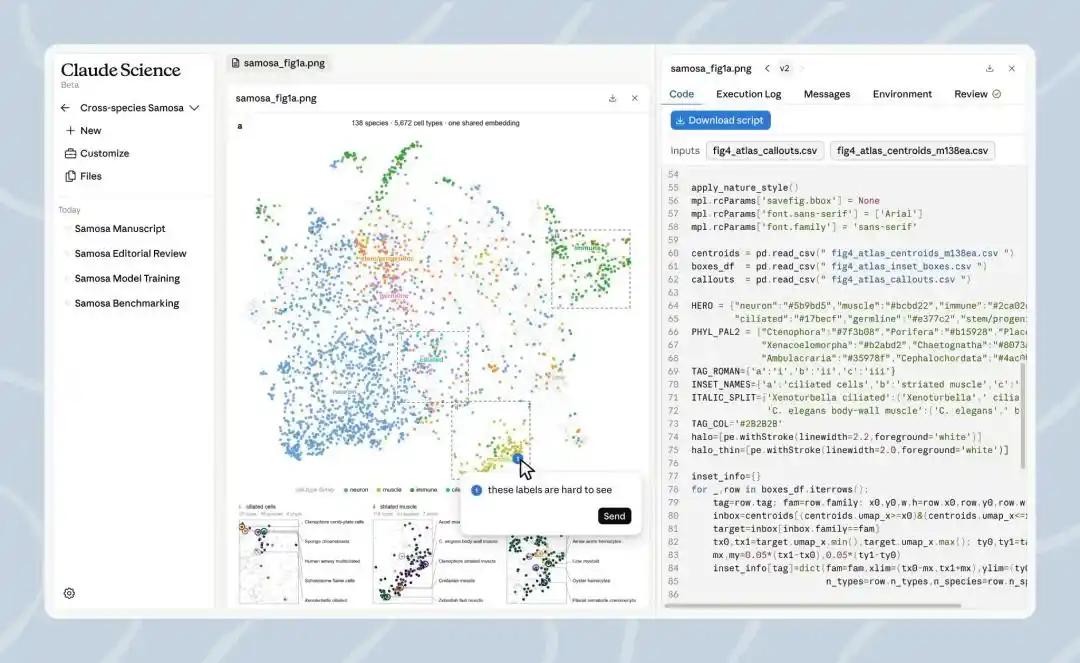
• In June 2026, Anthropic launched Claude Science, integrating literature search, data analysis, and manuscript writing into a unified research workspace, enabling scientists to delegate multi-step research tasks.
• The company positions Claude Science alongside Claude Code and Claude Cowork—corresponding to scientific research, software development, and knowledge work. It supports multiple scientific output formats, preserves analysis history, schedules computational jobs, connects to scientific databases and specialized tools, and allows users to extend functionality based on their domain.
• Built with native Skills and connectors, the product accesses over 60 databases and scientific resources across proteomics, structural biology, chemistry, genomics, and literature research. Users can add Skills via conversation, write and upload ZIP files, or import from GitHub. Existing local and remote MCP services can also be integrated.
• MHS: Claude Enters the Lab Bench
• While Claude Science handles workflows in digital environments, MHS (Model Hardware Standard) represents Anthropic’s effort to extend AI into laboratory equipment and physical operations.
• On August 27, 2026, Anthropic opened MHS Research Preview. Originating from a collaboration with a non-profit, MHS aims to provide a common interface for diverse instruments, enabling AI to discover devices, read status, invoke operations, and understand functional capabilities and safety constraints. It is model-agnostic and can be used by intelligent agents via MCP and similar protocols.
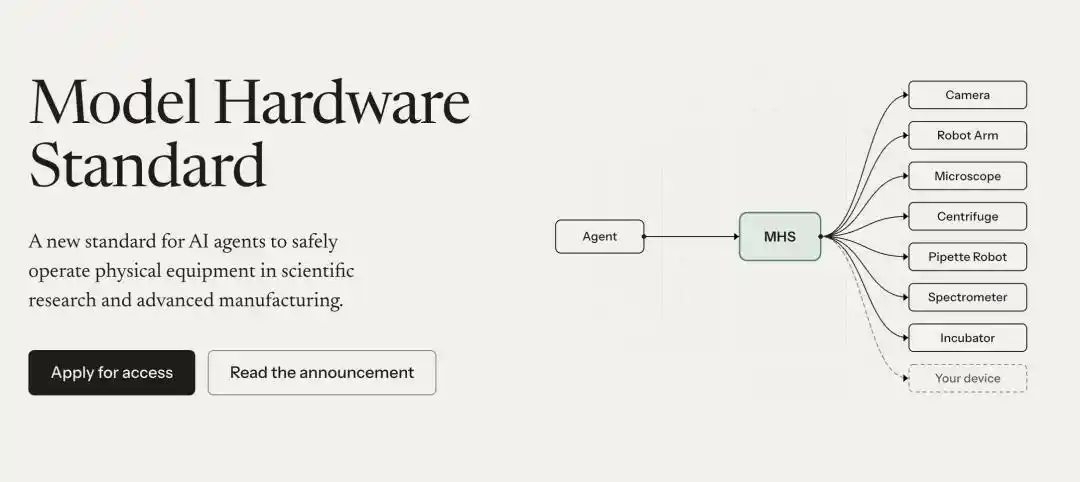
• A major bottleneck in automated labs today is integration cost. While individual instruments have improved automation, combining them into cohesive workflows remains challenging. An experiment often requires multiple instruments working in concert. If each device can describe its capabilities uniformly, experimental software can dynamically assign tasks, receive execution results, feed them back to the model, and determine the next step.
• This marks a critical step toward fully autonomous labs, reducing human error and improving reproducibility. Claude can leverage MHS to gather maximal instrument data for analysis, truly closing the loop and shortening feedback cycles.
• We believe this could become the universal standard for AI access to lab hardware—akin to AWS in laboratories. In the future, researchers may call upon experimental capabilities via software without needing to build labs or connect instruments manually. Pipetting, culturing, imaging, and analysis may evolve into composable experimental services.
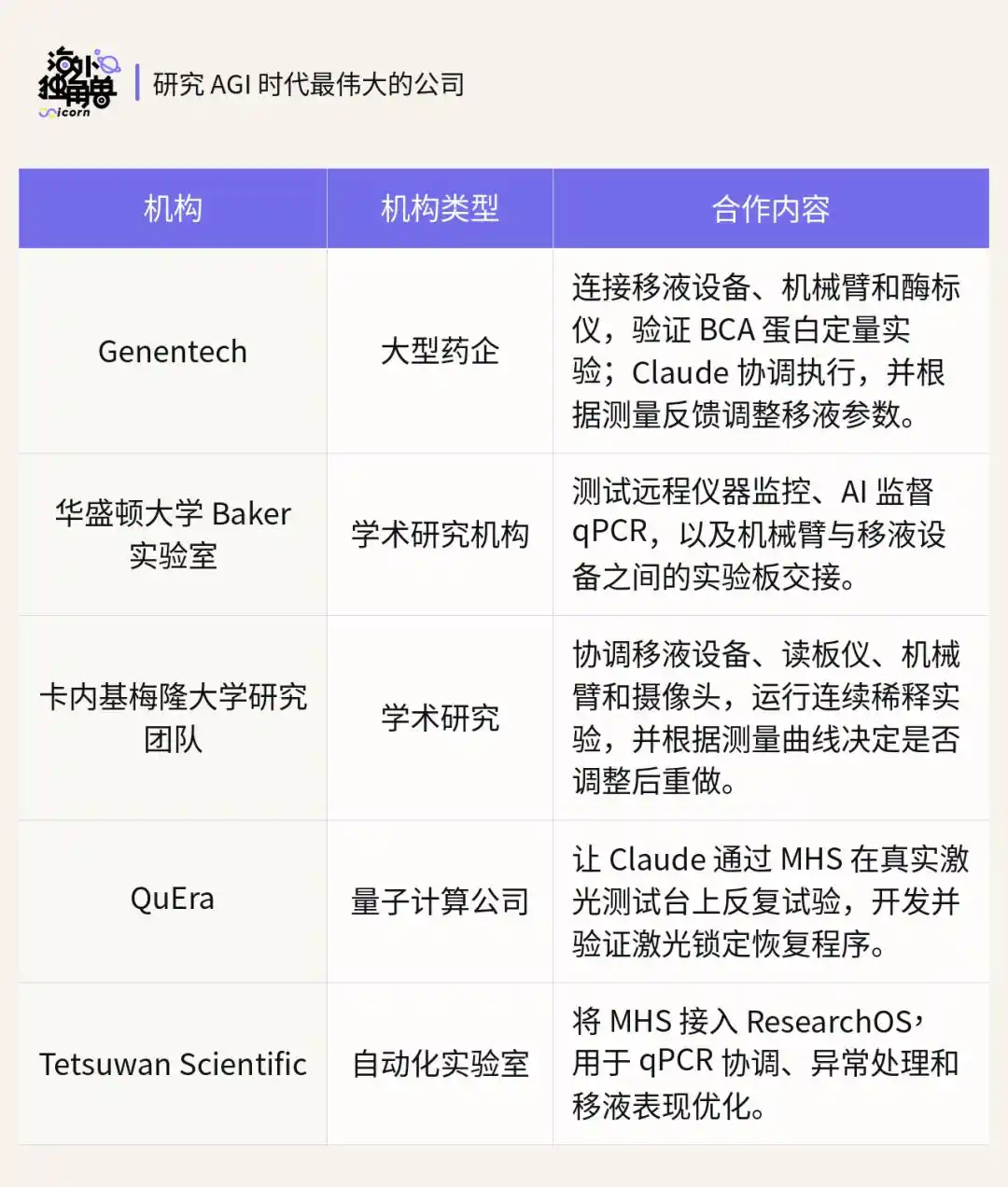
• Anthropic has announced initial partner cases:
Personally Developing Drugs but Stopping at Preclinical; Focusing on Rare Diseases
• On the other hand, Anthropic is participating in drug discovery but has set clear boundaries for its own R&D activities. Eric Kauderer-Abrams stated in interviews that the company will conduct early-stage drug discovery. Only by directly engaging in R&D can they truly understand where models and products fail. Direct project ownership enables tighter feedback loops beyond client-reported issues. The boundary lies before Phase I human trials begin.
• In disease selection, Anthropic focuses on indications where traditional commercial entities lack motivation. Eric links this choice to the company’s PBC (Public Benefit Corporation) identity: avoiding projects deemed attractive by clients, instead investing in high-therapeutic-value, under-explored research. This serves both a mission-driven rationale for internal R&D and helps minimize conflicts of interest with pharma clients.
• We speculate this arrangement serves dual strategic purposes:
1. Concentrating resources on R&D phases where AI can accelerate progress, exploring the “super biotech” organizational model. Early drug discovery involves extensive tasks amenable to AI assistance or gradual automation. By participating directly, Anthropic gains vast real-world data, closes the loop to enhance model performance, and explores driving more projects with smaller teams. In contrast, later clinical and post-clinical stages rely on pharma’s long-standing execution expertise. Limiting internal R&D to preclinical stages likely reflects Anthropic’s intent to focus on its core strengths, then hand off downstream development to others.
2. Clearly defining business boundaries with clients to position itself as the TSMC of pharma. For pharma firms to deeply integrate Claude into R&D, they must trust that Claude won’t become a direct competitor to their core pipelines. The TSMC analogy applies: by focusing solely on wafer fabrication and emphasizing non-competition, TSMC enables chip designers to outsource critical production. If Anthropic builds similar trust, more pharma companies may restructure their R&D workflows around Claude.
• Participating in Frontier Scientific Discovery
• In spring 2026, Anthropic established an internal foundational biology research group, integrating model training, computational analysis, and wet lab experiments under one team. On September 18, Eric Kauderer confirmed the company was operating a wet lab, believing biological research must ultimately be validated by real experiments. Some work is faster when done internally, providing first-hand research experience. Thus, the company adopts a model similar to most biotechs: performing some experiments in-house, outsourcing others to external partners.
• In September 2026, Anthropic unveiled its internal life sciences research team and lab, disclosing an early discovery: after assigning researchers to find a novel retrotransposon system, approximately 950 Claude agents ran for 21 hours and identified a system featuring a unique repeat sequence, which the team named ART.
• In November 2026, Anthropic demonstrated a new model’s ability to solve complex biological computation problems. In an AAV capsid structure prediction task, Mythos 5.2 developed a method leveraging protein shell symmetry by combining OpenFold3 and ESMFold2—two open-source models. AAV capsids consist of dozens of protein chains and are crucial gene delivery vectors. Full structure prediction typically requires massive compute. According to company disclosures, Claude’s method achieved the target accuracy threshold in 28 out of 34 tested natural or engineered capsids, showcasing the model’s potential to expand open-source scientific tools through code generation and algorithmic improvement.
• However, all current experimental operations remain performed by human scientists. Although Anthropic is testing automation solutions like MHS, the team’s molecular biology work frequently requires ad hoc adjustments to experimental procedures, making full automation unsuitable at this stage.
• Acquiring Biotech Companies and Their Pipelines
• In April 2026, Anthropic completed its acquisition of Coefficient Bio, strategically strengthening its AI-biopharma talent and technical capabilities. This was a classic talent acquisition. CEO Aris Theologis became Anthropic’s Lead of Life Sciences, while CTO Nathan Frey joined to lead drug discovery and development research.
• In July 2026, Anthropic acquired Mithril Medicine, a company developing bispecific antibodies to repair connections between muscle fibers and surrounding support structures. Its research includes advancing two early bispecific antibody pipelines targeting congenital muscular dystrophy related to LAMA2 and α-dystroglycanopathy. Mithril is a one-person biotech. Founder Cody Tranbarger confirmed these projects became Anthropic’s first internal drug pipelines, and he joined the company to continue leading them and spearheading broader internal drug development efforts.
04. Key Figures
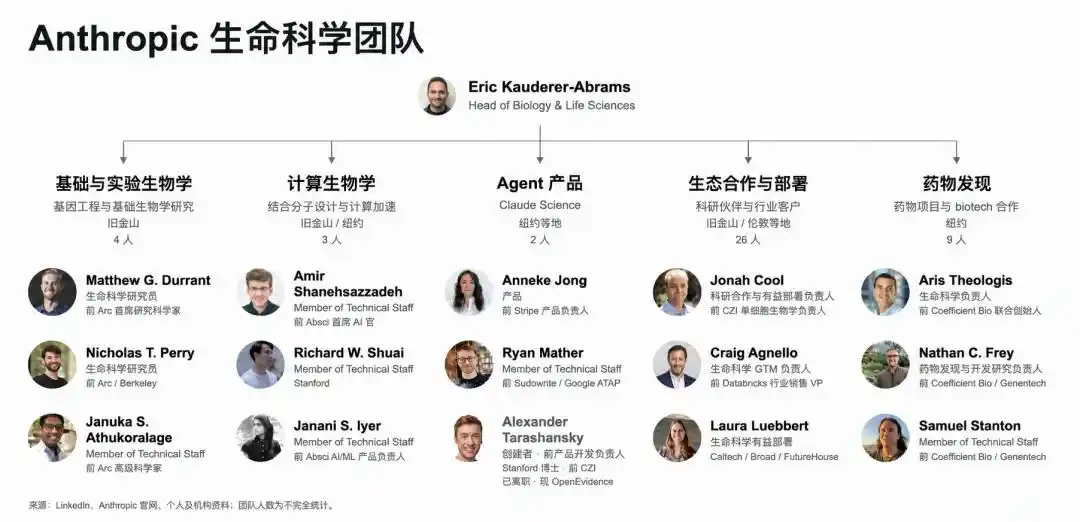
• Anthropic’s exploration in life sciences began in August 2025, when they hired Eric Kauderer-Abrams as Head of Biology & Life Sciences, and Jonah Cool as Head of Life Sciences Strategy & Ecosystem. With them as the foundation, separate teams were formed for life sciences and strategic partnerships.
• Eric previously co-founded molecular diagnostics company Detect, serving as both CTO and CEO, driving FDA approval and market launch of home-based molecular testing products. At Anthropic, he leads the Biology & Life Sciences function.
• Jonah previously served as Vice President of Science Strategy & Partnerships at the Chan Zuckerberg Initiative (CZI), deeply involved in single-cell biology projects, advancing research tools, data resources, and cross-institutional collaboration. At Anthropic, he leads Life Sciences Partnerships.
Building Wet Labs and Establishing Foundational Biology Teams
• In November 2025, Anthropic recruited Matthew G. Durrant to establish a foundational biology research group, later setting up a molecular biology lab in the Bay Area in spring 2026, integrating computational research with experimental validation. Durrant subsequently publicly recruited experimental biologists, explicitly welcoming those with wet lab experience. Several experts from the Arc Institute later joined Anthropic.
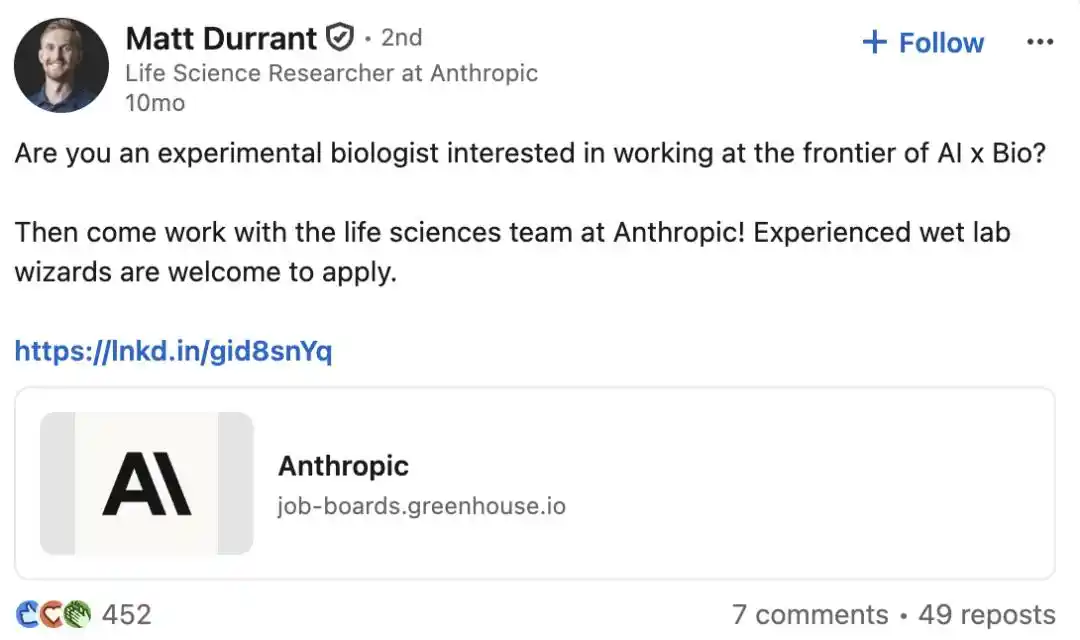
Durrant earned his PhD in genetics from Stanford University in 2020, specializing in mobile genetic elements—DNA or RNA sequences capable of moving within or between genomes. He conducted postdoctoral research at the Innovative Genomics Institute and served as Principal Research Scientist at Arc Institute, contributing to the discovery of novel genome editing tools.
Core Team Joining and Departure from Claude Science
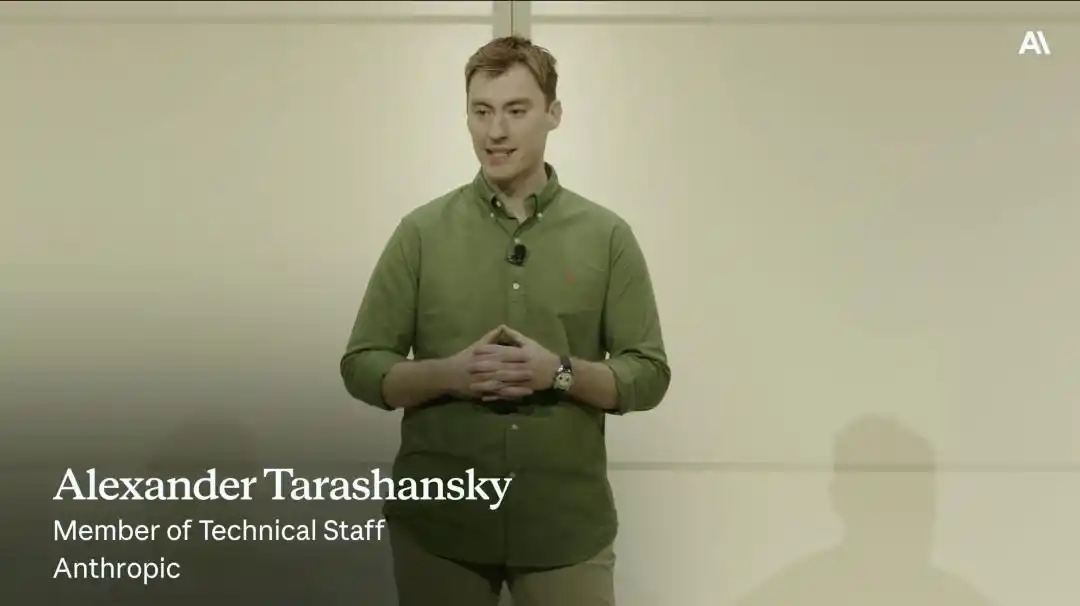
• In December 2025, Alexander Tarashansky joined Anthropic’s life sciences team, bringing a prototype he developed during Thanksgiving break. He became a central figure in Claude Science’s product development. Holding a PhD in bioengineering from Stanford, he previously worked as a data scientist at Biohub, then transitioned to CZI, focusing on biological data analysis and scientific software development.
• After joining Anthropic, he collaborated with Jonah Cool and Anneke Jong to define Claude Science’s core functions, aiming to cover multiple stages of the research workflow. Building on the prototype, the team iterated for nearly seven months, eventually integrating literature analysis, computational tools, and multi-step task execution into a single research environment.
• In September 2026, Alexander left Anthropic to join OpenEvidence, a medical AI company. In his announcement, he expressed a desire to bring the experience of enhancing research efficiency through Claude Science to clinical settings, enabling AI to serve doctors more directly in patient care.
Acquiring Biotechs to Complete Drug Development Teams
• In April 2026, as part of the acquisition of Coefficient Bio, the three co-founders—Aris Theologis, Nathan C. Frey, and Samuel Stanton—joined Anthropic as members of its life sciences and drug discovery research team. The transaction was essentially a talent acquisition.
• Aris Theologis assumed the role of Lead of Life Sciences. Previously CEO of Coefficient Bio, he earlier served as founding Chief Commercial Officer at protein design firm Evozyne and Vice President at Paragon Biosciences.
• Nathan C. Frey leads drug discovery and development research, with the team based in New York, expanding the drug R&D team from this base. Formerly CTO of Coefficient Bio, prior to founding the company, he led a research group at Genentech, specializing in therapeutic antibody design and foundational biological modeling. He is the first author of the paper *Lab-in-the-loop therapeutic antibody design with deep learning*, developed at Genentech, exploring a loop where models propose antibody designs, labs measure properties, and results guide the next round. Nathan holds a PhD in Materials Science and Engineering from the University of Pennsylvania and conducted postdoctoral research at MIT.
• Nathan describes the team’s goal as building a “pipeline-in-a-person”—enabling a single experienced biotech professional, aided by multiple Clauses, to initiate and operate a drug development project. This reflects his vision for future one-person biotechs.
• In contrast, Matt Durrant’s foundational biology research group focuses on upstream challenges: discovering novel biological systems from unexplained sequences in nature. This group operates under the broader life sciences organization alongside drug discovery teams.
Computational Science Team from Absci
• In May 2026, Amir Shanehsazzadeh, former Chief AI Officer at AI antibody drug company Absci, joined Anthropic’s life sciences team as a researcher. He holds a bachelor’s degree in mathematics and a master’s in statistics from Harvard University, with long-term research into using generative AI to design and optimize antibodies. Alongside several employees with Absci experience, he leads Anthropic’s protein-binding molecule design research and contributes to improvements in bio-computational tools.
• Absci is a U.S.-based biotech company pioneering generative AI for antibody drug design, representing the first-generation AI4S companies. Founded in 2011, it went public on NASDAQ (ticker: ABSI). Initially starting with protein expression and synthetic biology, it gradually shifted toward AI-driven antibody design and evolved from offering R&D platforms to developing its own drug pipelines. Absci also spawned Chai Discovery founders Joshua Meier and Matthew McPartlon.
Nobel Laureate John Jumper Joins from AlphaFold
• In June 2026, John Jumper, lead researcher of AlphaFold and co-winner of the 2024 Nobel Prize in Chemistry, announced he would leave Google DeepMind after nearly nine years to join Anthropic. Jumper holds a PhD in theoretical chemistry from the University of Chicago, with a long-standing focus on the intersection of machine learning and protein structure and molecular dynamics. He led the team that developed AlphaFold and received the 2024 Nobel Prize in Chemistry alongside Demis Hassabis for contributions to protein structure prediction.
05. Optimization Directions
• Over the past year, Anthropic’s Life Science team has released numerous achievements.

• We can summarize these into four aspects:
Long Horizon Tasks and Multi-Agent Collaboration
• In August 2026, Amir Shanehsazzadeh led a protein-binding molecule design study demonstrating Claude’s ability to sustain operations and coordinate multiple agents to advance research. Researchers pre-selected targets, provided protocols and cloud compute, and ran single-target tasks for 24 hours and multi-target tasks for 48 hours using Claude Opus 4.8 and Mythos Preview. Both models participated in multi-target testing, handling 14 targets simultaneously.
• Claude organized a two-layer sub-agent division within the protocol: autonomously researching targets, selecting binding sites, installing and running open-source protein design tools, and computationally optimizing and ranking candidates. Claude advanced research under constraints, first filtering out redundant or clearly unsuitable designs, then allocating more compute to promising candidates, finally delivering 30 ranked small protein designs per target along with decision records. During execution, humans monitored infrastructure and assisted in recovery when sessions were interrupted due to technical issues.
• After task completion, Adaptyv Bio and Twist Bioscience conducted wet lab validation. Of the 1,320 designs with reliable measurements, 354 met binding criteria across 14 targets.
Optimizing Computational Power
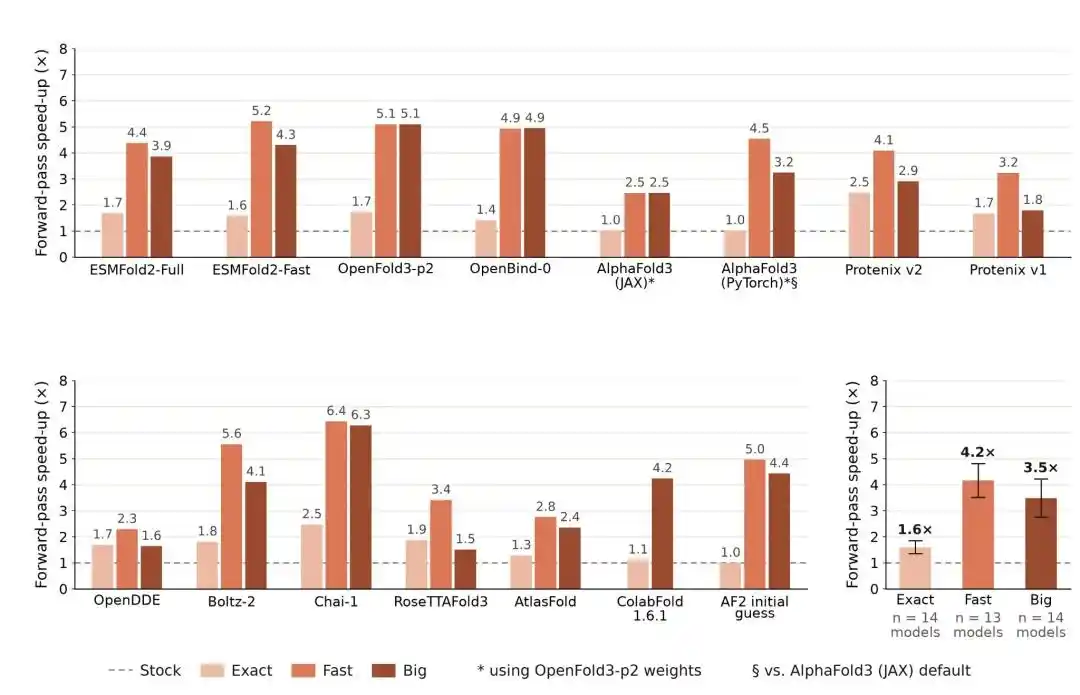
• In September 2026, Anthropic leveraged Claude’s programming capabilities to improve bio-computational tools. Amir Shanehsazzadeh and collaborators from Biohub and Columbia University reported that Claude optimized over 30 open-source models in under four weeks, including structure prediction models like Boltz-2, protein design tools like RFdiffusion, and genomic models like Evo 2. The optimization preserved original model weights, rewriting GPU computations, reducing redundant calculations, and lowering GPU memory usage. With minor numerical precision tolerance, tasks averaged ~4x speedup; with exact output requirements, average speedup approached 2x. The optimized code was later released to the research community.
Connecting More Tools and Experimental Equipment
• In October 2025, Anthropic launched Claude for Life Sciences, integrating research tools such as Benchling, PubMed, and 10x Genomics, offering life science-specific skills and dedicated support.
• In February 2026, Anthropic announced a research collaboration with the Allen Institute and Howard Hughes Medical Institute (HHMI), beginning to embed Claude into the daily workflows of large research institutions, exposing it to real, complex scientific tasks.
• This gave rise to the prototype of MHS: during brain imaging experiments, researchers needed to coordinate lasers, motorized focus devices, and specialized cameras from different vendors, but these devices lacked a unified interface. They first developed a shared data mechanism enabling instrument communication, then integrated AI models into this interface, evolving it into MHS—a standardized operational framework for devices.
• The Allen Institute is a nonprofit life sciences research institution in Seattle, primarily studying the brain, cells, and immune systems, and opens its data and tools globally to researchers.
• The Howard Hughes Medical Institute (HHMI) is a private, nonprofit biomedical research institution in the U.S., founded in 1953, long supporting fundamental research. Its accumulated assets include calcium ion sensors for observing neural activity and electron microscopes for resolving brain structures.
• In June 2026, Anthropic released the beta version of Claude Science, further establishing Claude as a scientist’s research workstation.
Enabling Claude to Continue Research Based on Experimental Feedback
• In October 2026, Anthropic disclosed collaborative results with multiple biotechs, including a partnership with BigHat, demonstrating Claude’s ability to participate in research judgment and refine experimental protocols. Under guidance from Samuel Stanton and BigHat scientists, Claude handled most molecular design and data analysis. After seven iterative rounds, the team manufactured and tested approximately 1,010 antibody fragment variants, resulting in two lead candidates with improved binding affinity and certain stability metrics. When existing evaluation criteria were questioned, Claude could re-examine raw curves upon prompt, construct interpretive models, and propose validation plans.
• BigHat Biosciences is a biotech company using AI and its own wet lab to develop antibody drugs, focusing on oncology, inflammation, and immune-related diseases. Its Milliner platform iteratively designs, manufactures, and tests antibodies to optimize binding, stability, and manufacturability. The company’s fastest-moving internal project, BHB810, is an antibody-drug conjugate (ADC) targeting CDH17 for gastrointestinal cancers, having announced first patient dosing in Phase I clinical trials in September 2026.
• In a study published on November 4, 2026, Anthropic revealed Claude’s capability in real biological research. Vault is a large, hollow protein shell whose biological function remains unclear. The team discovered that certain bacterial and phage-derived proteins can assemble into Vault-like particles, and cryo-electron microscopy resolved the structure of one composed of 96 proteins. Researchers also modified repetitive segments of the protein, increasing internal volume by ~20%, laying the foundation for further study of assembly mechanisms and potential applications.
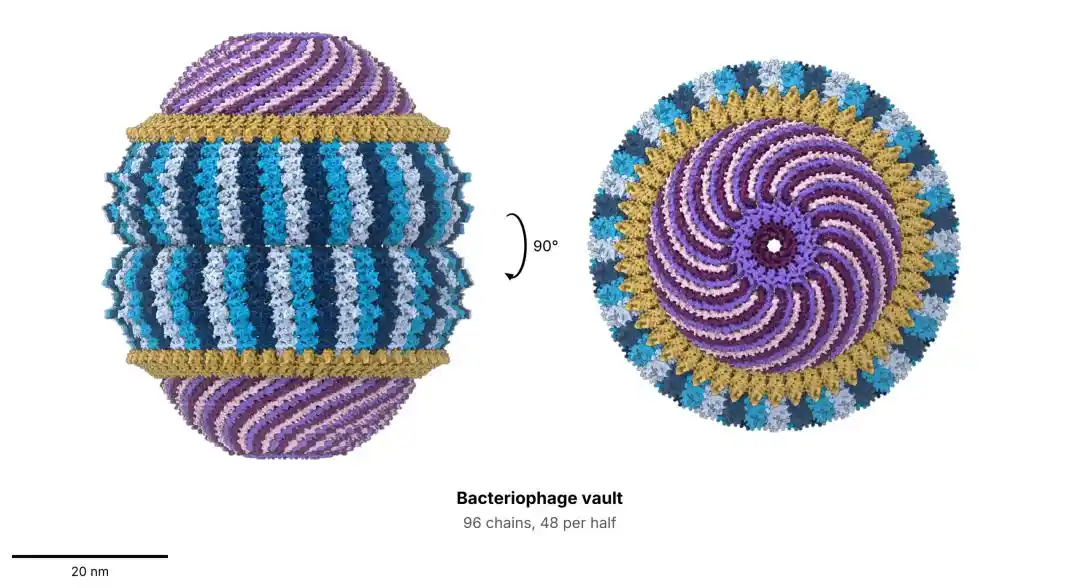
• Claude helped the team search protein databases; after scientists selected candidate proteins, it converted sequences into DNA designs suitable for experiments. In sample preparation, Claude recommended separation tools and detection methods and proposed simplifying purification steps. After testing by researchers, the time from cell culture to cryo-EM samples was reduced to about 90 minutes. Subsequently, it configured and ran the cryo-EM analysis software RELION, processing data under scientist supervision, generating the first complete structural model within 34 hours.
06. Anthropic’s Collaboration Ecosystem
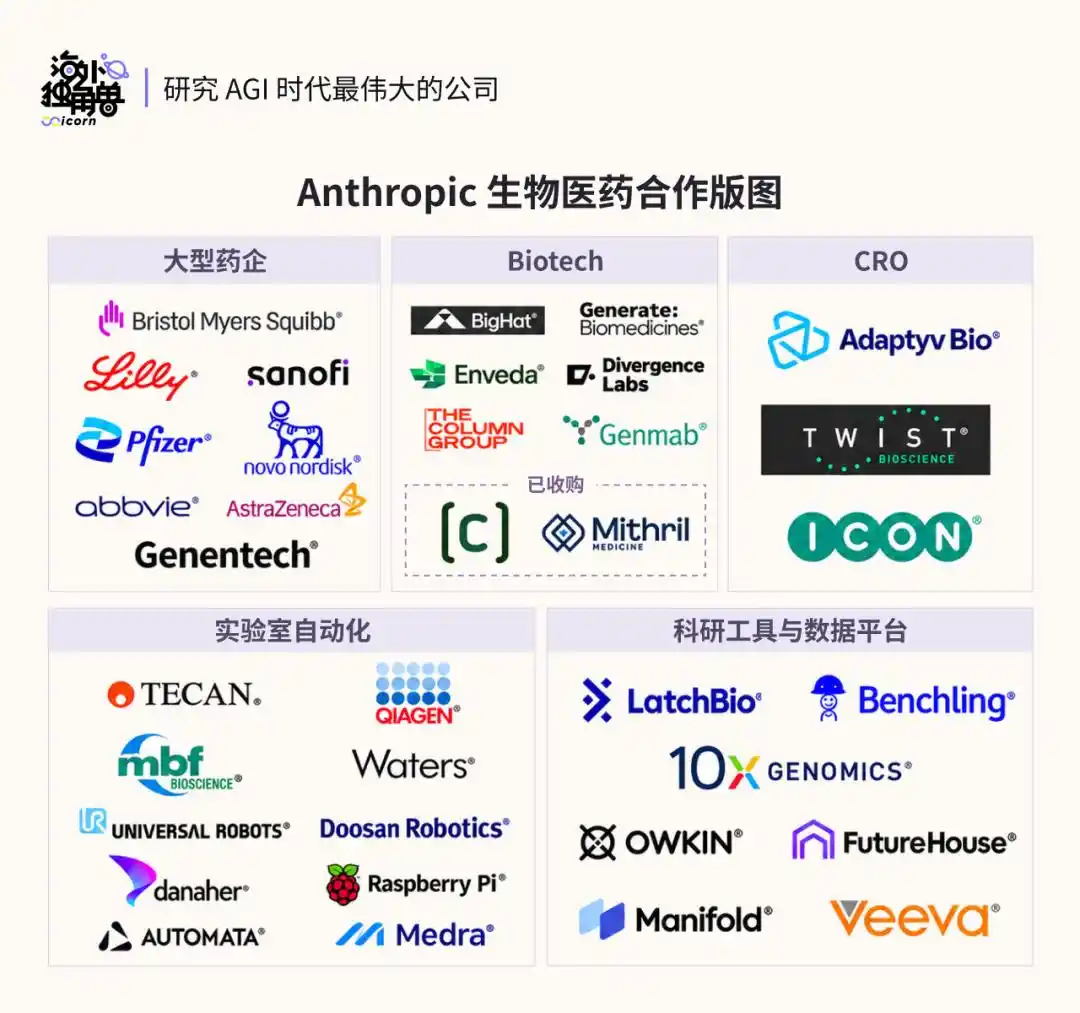
Major Pharma Companies
• As previously mentioned, Anthropic is carefully balancing relationships with major pharma firms. On one hand, these companies contribute substantial API revenue and are major Claude clients. On the other hand, Anthropic seeks to establish a mutually acceptable collaboration model that maintains good relations while advancing its own drug research.
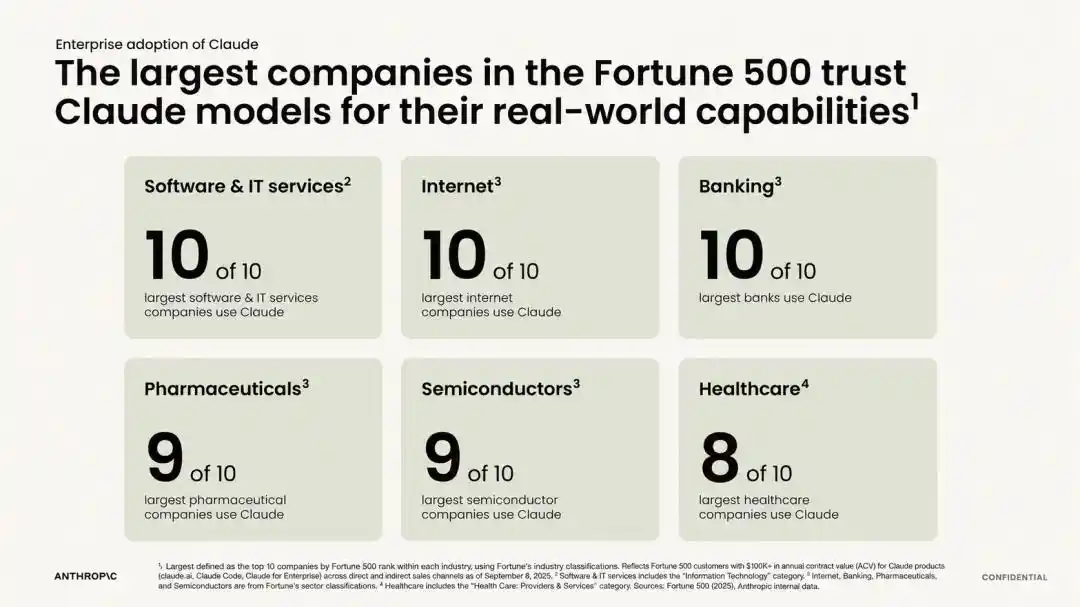
• Eight of the world’s top ten pharmaceutical companies are already using Claude.
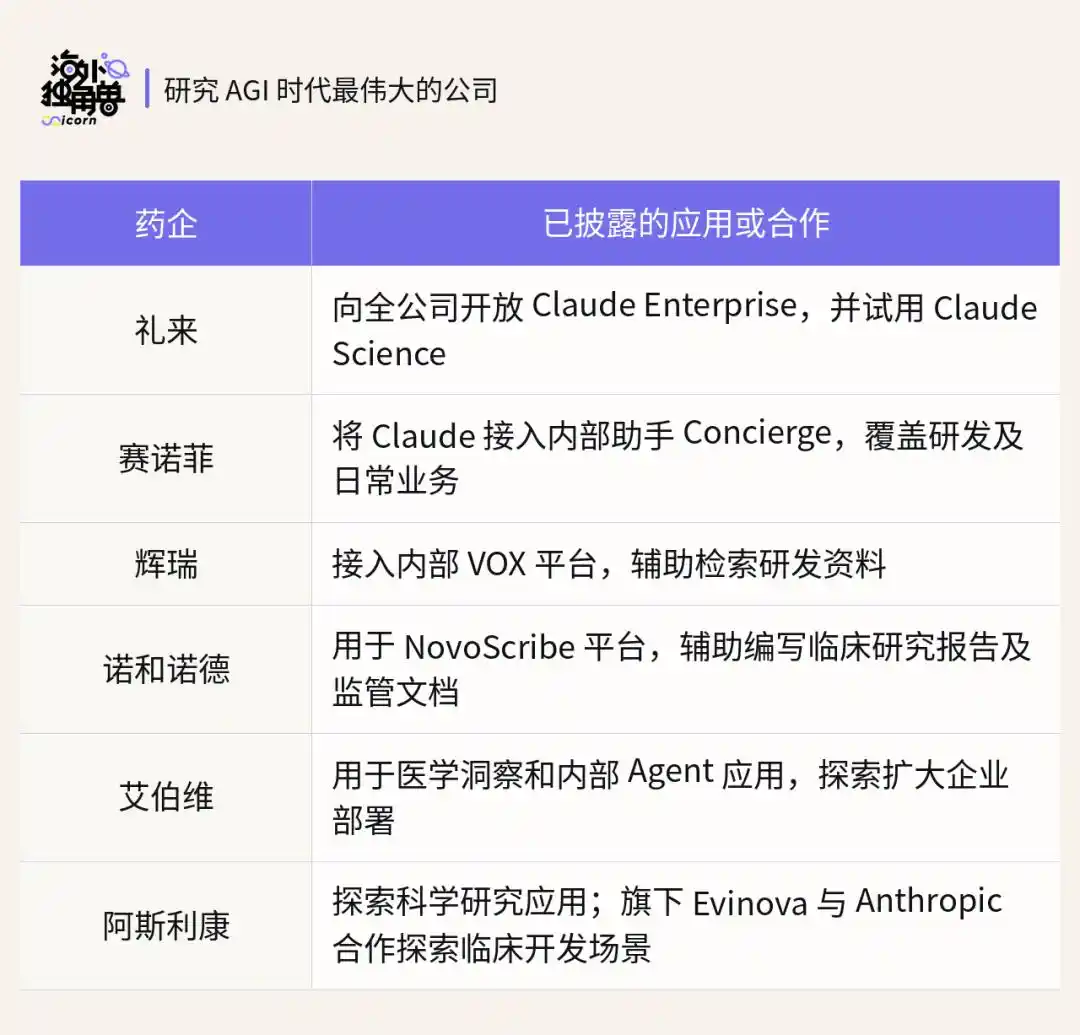
• BMS (Bristol Myers Squibb) stands out as the most visible example of a public partnership covering both enterprise deployment and specific R&D projects.
• On May 20, 2026, BMS announced a strategic agreement with Anthropic to provide Claude Enterprise to over 30,000 employees worldwide, serving as a cross-departmental AI platform spanning drug research, clinical development, manufacturing, and commercial and corporate functions.
• On October 27, 2026, Anthropic disclosed that BMS had begun using Claude to analyze the development plan for an early-phase clinical drug. Claude accessed proprietary data in a secure environment, assisted in drafting clinical trial protocols, and evaluated the likelihood of success across different development paths. Michael Pourdehnad, Head of Early Clinical Development in Hematology, Oncology, and Cell Therapy at BMS, noted that a single prompt generated preliminary analysis that helped the team assess options originally requiring days to parse.
• Claude has officially entered the R&D decision-making phase. By integrating specific drug data and development conditions, it compiles evidence, compares strategies, and provides decision support for scientists and clinical teams. Both parties plan to expand this collaboration in 2027 to further explore its impact on early development success rates; BMS also hopes to extend applications to more pipelines, supporting portfolio-level R&D decisions.
• Besides BMS, Eli Lilly, Sanofi, Pfizer, Novo Nordisk, AbbVie, and AstraZeneca have also publicly disclosed collaborations with Anthropic.
Biotech Companies
• Direct Acquisitions
• Anthropic made two direct acquisitions of biotech firms this year, each with distinct objectives.
• Beyond the previously discussed Coefficient Bio, which mainly supplements research talent and technical capabilities, Anthropic’s second acquisition was Mithril Medicine in July 2026. The company has only one full-time employee but possesses two early-stage antibody programs targeting rare muscular dystrophies. This acquisition resembles a pipeline acquisition and signals a key message to the market: the era of the one-person biotech has arrived.
• Mithril Medicine operates differently from traditional biotechs. Founder Cody Tranbarger uses Claude to coordinate 11 external labs and manage day-to-day operations. The company employs part-time scientific advisors and delegates at least five CROs to conduct experiments. According to company disclosures, one project progressed from concept to preliminary mouse data in under 18 months; if development continues smoothly, human trials could begin as early as late 2028.
• Founder Cody Tranbarger previously worked in investment banking in biotech at Goldman Sachs, advising on financing and M&A deals. Later, he managed genetic medicine research and investments at Casdin Capital, focusing on cell and gene therapies. He also led business development at Prime Medicine before joining Atlas Venture’s startup incubator as an embedded entrepreneur.
• This aligns with Nathan Frey’s vision of building a “pipeline-in-a-person,” where an individual gains the coordination capacity of an entire team through AI and external experts. Post-acquisition, Tranbarger will continue advancing existing projects within Anthropic and plans to launch more drug programs. Anthropic aims to test whether an experienced leader, aided by AI and external specialists, can manage R&D operations previously requiring larger internal teams.
Collaborative R&D
• In October, Anthropic also disclosed multiple collaborative projects with biotechs across various directions.
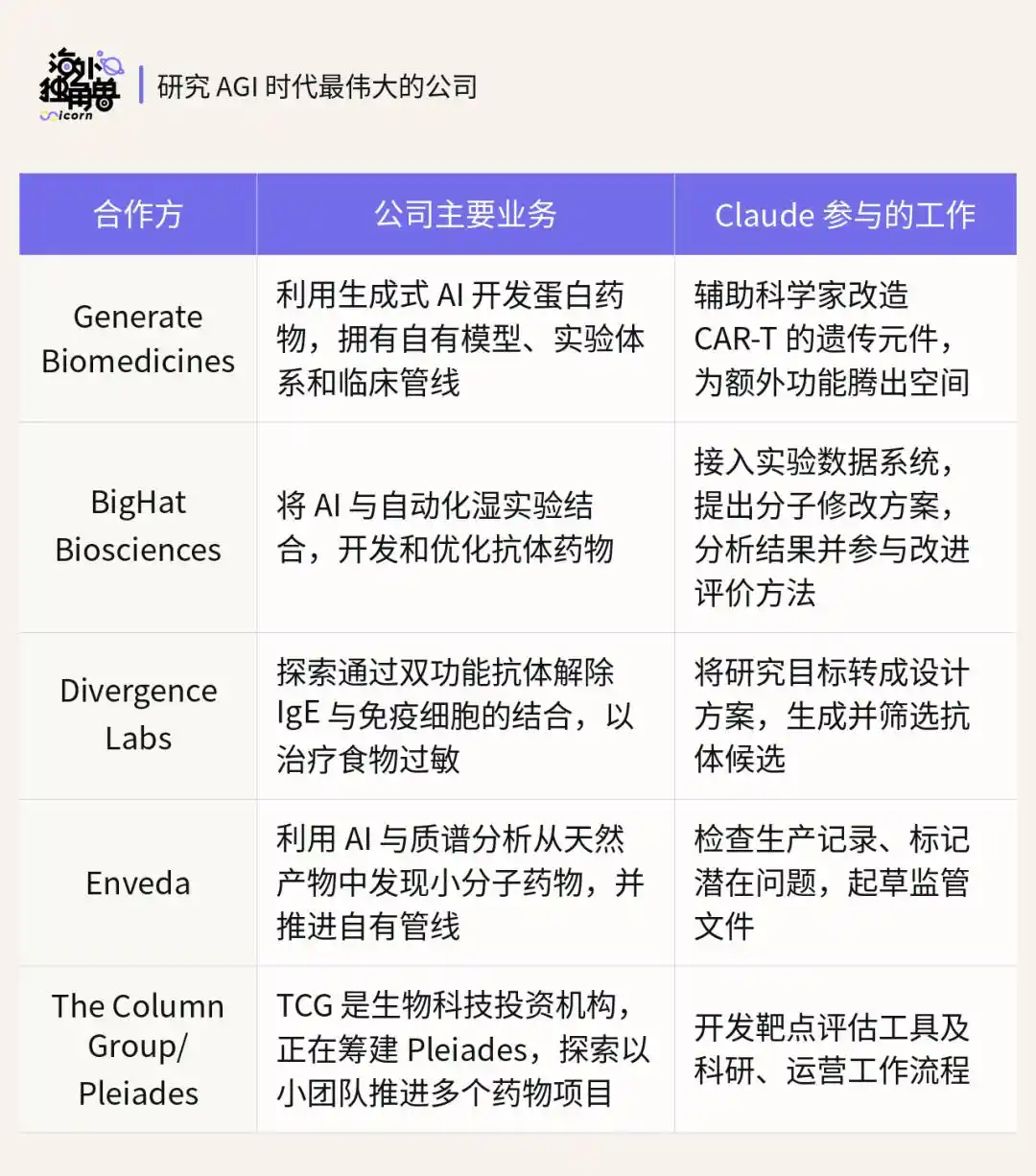
CROs
• CROs provide Anthropic with two critical capabilities: acquiring real experimental data and validating computational designs. Adaptyv Bio and Twist Bioscience exemplify this model.
• Adaptyv Bio is a company spun out of EPFL in Lausanne, Switzerland, offering protein preparation and functional testing services to pharma, biotech, and AI protein design teams. After customers submit design sequences, Adaptyv produces the proteins, measures their ability to bind targets and binding strength, converting computational designs into real experimental data. The company combines cell-free protein expression with automation. Its API-enabled CRO model is faster and more efficient than traditional CROs, ideal for handling AI-generated designs and helping clients screen viable candidates for further development.
• Twist Bioscience, founded in 2013 (NASDAQ: TWST), specializes in synthesizing DNA according to customer specifications, also offering sequencing reagents and antibody libraries for drug R&D. Pharma, biotech, and research institutions use these materials for gene studies, protein engineering, and antibody discovery. Twist’s core technology involves parallel DNA synthesis on silicon chips: shrinking chemical reactions onto a single chip to manufacture large quantities of diverse sequences simultaneously, boosting throughput and reducing reagent consumption.
• In the August 2026 protein-binding molecule study, both companies prepared and tested designs submitted by Claude. Adaptyv used a cell-free protein expression system, while Twist employed a mammalian cell expression system. Both conducted experiments independently, without access to each other’s data or knowledge of the model origin or computational rankings of candidate sequences. This allowed the research team to compare results across different experimental conditions and reduce bias from any single methodology.
• In September 2026, Anthropic and Adaptyv jointly launched a protein design competition, planning to validate over 5,000 designs through wet-lab experiments, with Twist responsible for DNA synthesis. According to competition rules, selected sequences, design methods, and experimental results will be publicly shared, and failure data will be retained. This ensures the generated data serves not only to identify winners but also to help researchers analyze failure patterns.
Lab Automation
• These companies are primarily MHS partners, with collaboration still in early stages.
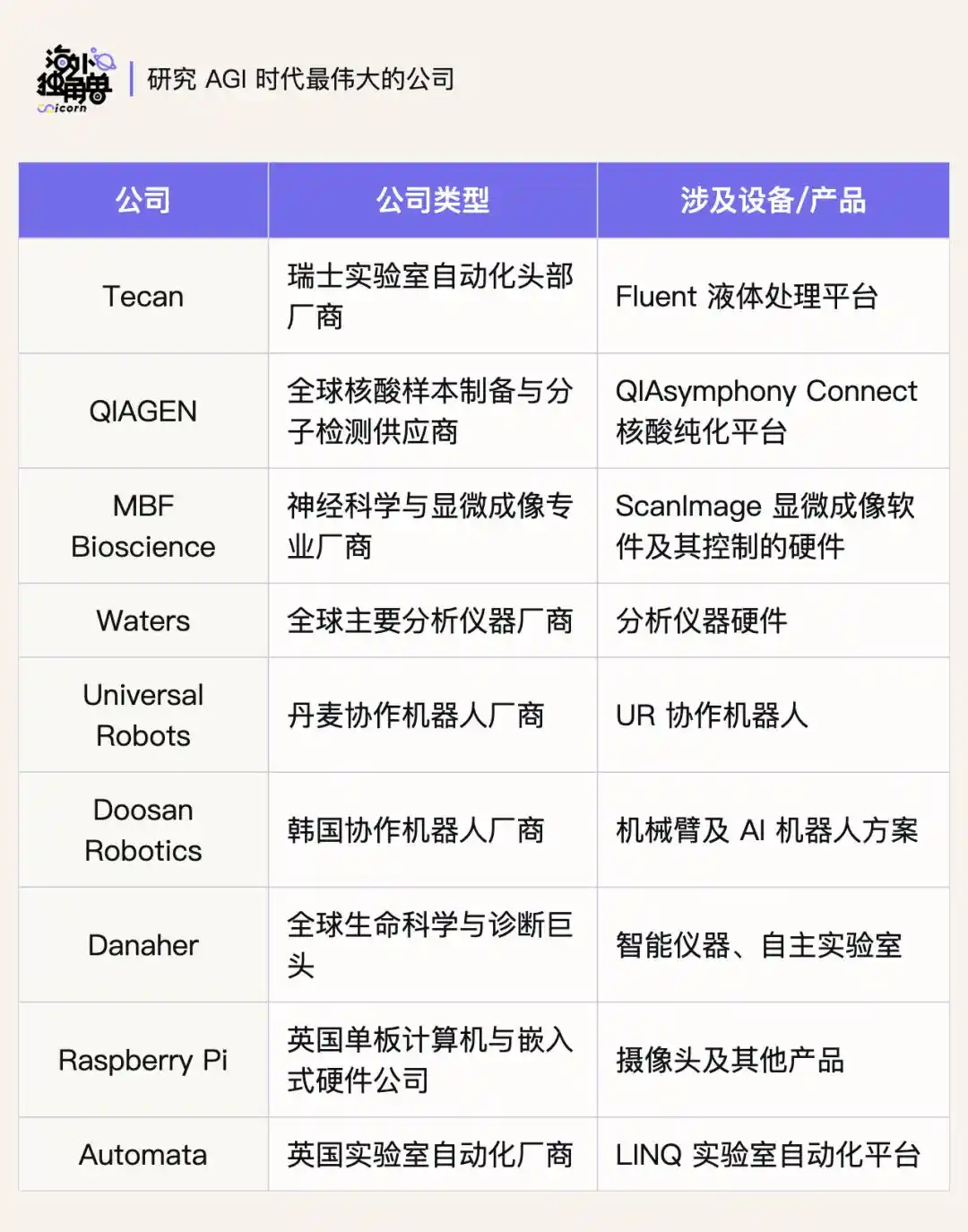
• Additionally, through the Anthology Fund jointly established with Menlo Ventures, Anthropic invested in Medra, an automated lab company. Medra combines general-purpose robotics with AI software into experimental workstations, attempting to operate existing instruments, record experimental videos, actions, and sample handling processes. The company has disclosed partnerships with Genentech, Cultivarium, and Addition Therapeutics.
• Founder and CEO Michelle Lee earned her PhD from Stanford University, researching robotics and reinforcement learning. Prior to founding Medra, she was an assistant professor at New York University. Medra announced a $52 million Series A funding round in December 2025, led by Human Capital, with participation from Lux Capital, NFDG, and Menlo Ventures.
Research Tools and Data Platforms
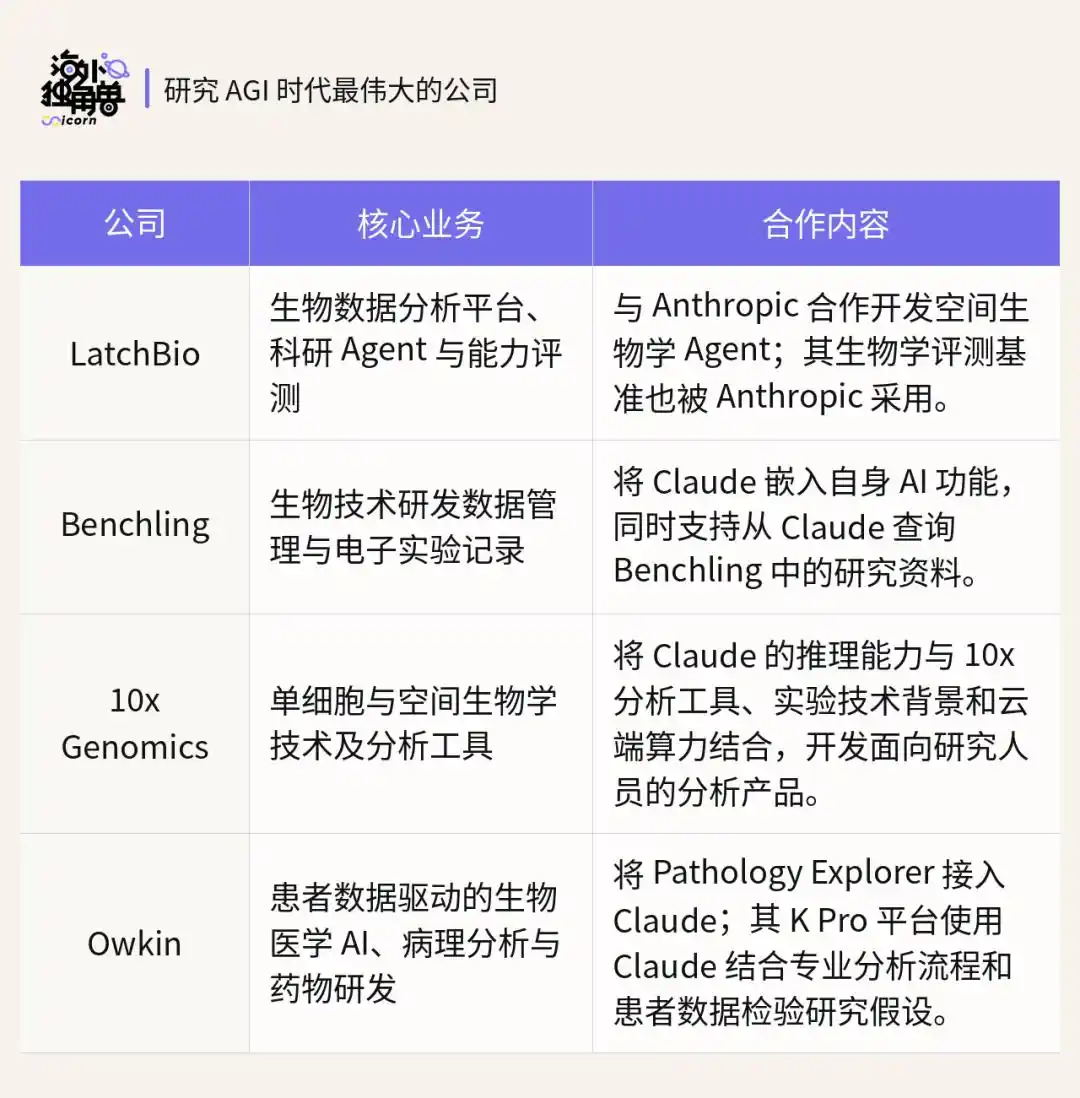
• Scientists often navigate multiple systems: reviewing papers, seeking target evidence, analyzing sequencing data, then returning to lab notebooks to verify results. Anthropic aims to consolidate these disparate workflows into a unified research process by connecting these platforms.
• Through these integrations, Claude learns how real research data should be processed, helping models define research tasks, detect analytical errors, and assess whether model capabilities are genuinely improving.
• LatchBio is a representative example. Originally focused on computational tools, LatchBio evolved into a platform combining research agents with data environments and evaluation frameworks. Initially, it provided data storage and cloud computing environments for research teams, supporting analysis of omics data. Based on Anthropic’s Claude, and partnering with Vizgen and Takara Bio, LatchBio developed research agents tailored to specific experimental technologies. In October 2026, LatchBio transformed real research questions into verifiable benchmark tasks to test whether AI can correctly handle experimental data and draw conclusions. Its OmicsBench includes 784 expert-curated tasks across six domains: single-cell transcriptomics, spatial omics, epigenomics, variant discovery and interpretation, microbial monitoring, and protein function.
07. OpenAI and Eli Lilly’s Life Science Strategies
OpenAI

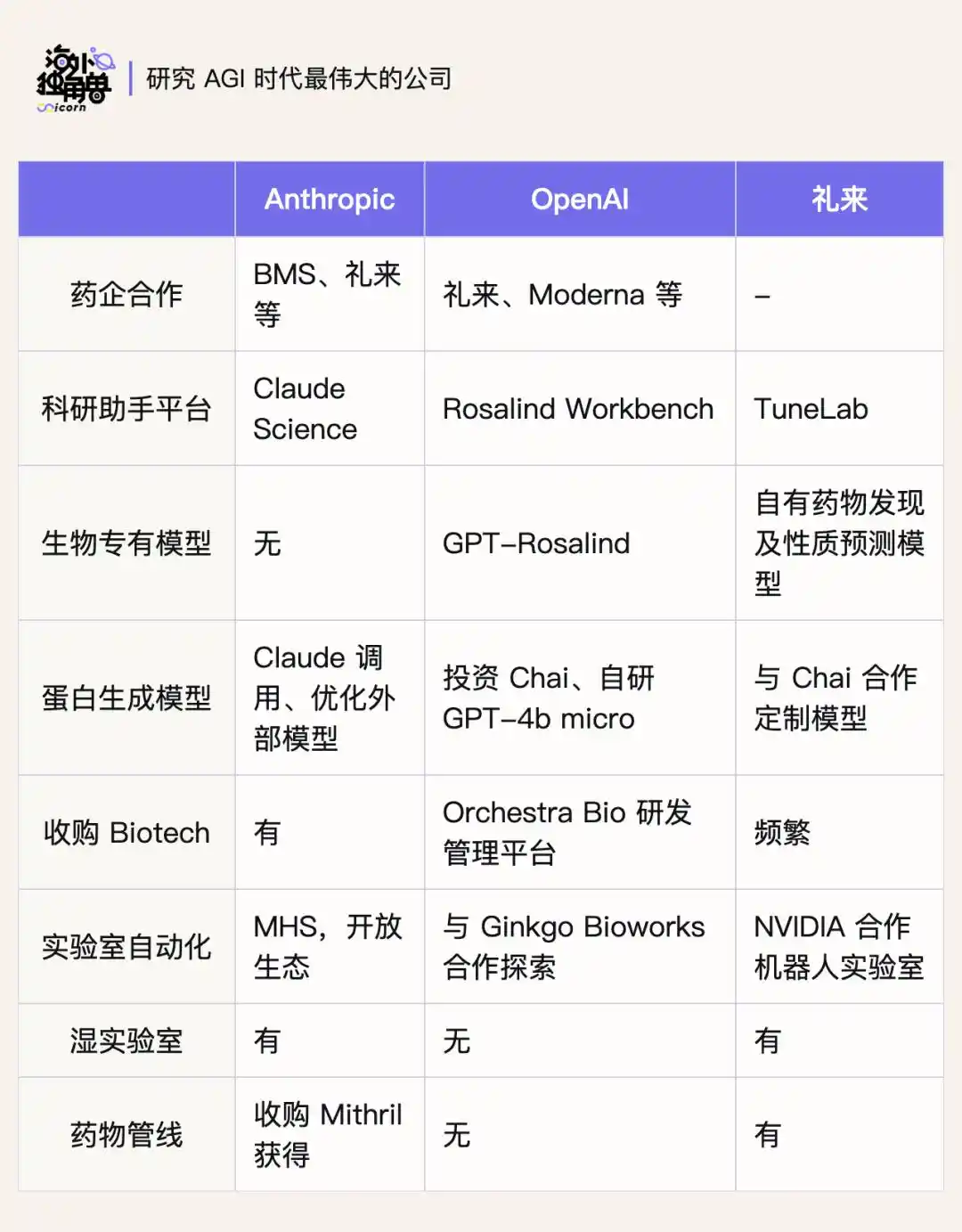
• OpenAI is also actively expanding in biopharma, but its approach is more fragmented compared to Anthropic, spanning personal health consultations, medical record integration, research assistants, and drug development management.
• Collaborations with major pharma began early. On June 25, 2024, Eli Lilly announced using OpenAI’s generative AI to discover novel antibiotics targeting drug-resistant pathogens.
• In April 2026, OpenAI launched GPT-Rosalind, a domain-specific model focused on biology, drug discovery, and translational medicine, supporting literature analysis, experimental planning, and scientific data analysis. The model concluded its research preview in September and became available via a trusted access program to qualifying institutions. Rosalind Workbench, introduced in August, is a platform helping researchers organize analysis workflows, review results, and maintain traceable research records. Partner institutions include Amgen, Moderna, Allen Institute, and Thermo Fisher Scientific.
• In October 2026, OpenAI acquired Orchestra Bio to enhance R&D coordination after discovery. The primary goal is tracking research progress, identifying dependencies across tasks, and assessing impacts and response options when issues arise.
• Based on current public actions, OpenAI focuses more on providing models and tools to researchers and pharma, with a broader, less targeted approach. For example, the protein engineering model GPT-4b micro developed with Retro Biosciences showed wet-lab results in 2025, but no broad release has been announced yet. In pharma collaborations, public disclosures remain largely centered on model access, enterprise deployment, and workflow efficiency, with no clear evidence of closed-loop execution.
• Regarding wet labs and CROs, OpenAI currently relies on partners: Retro validates protein designs, while Ginkgo integrates GPT-5 into automated labs to complete multiple rounds of experimental design, execution, and result analysis.
Eli Lilly
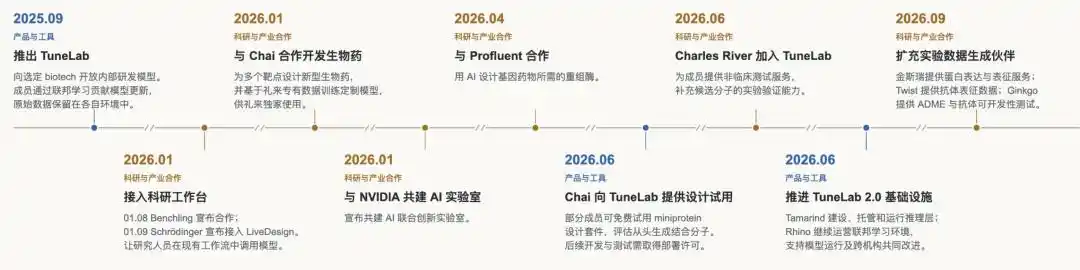
• Eli Lilly is one of the earliest and most committed traditional pharma companies to AI. As a multinational with decades of drug R&D, it holds vast proprietary experimental data—covering drug properties, pharmacokinetics, safety, and numerous failed molecules and their failure reasons. TuneLab alone uses over 2 million data points from Eli Lilly’s preclinical pipeline.
• Launched in September 2025, TuneLab opens partial R&D models to participating biotechs. Partners contribute model updates via federated learning, while original data remains within their own environments. This transforms Eli Lilly’s data into external services and gives models exposure to molecules and experimental results not covered by internal R&D.
• Eli Lilly also partners with companies like GenScript, Twist, and Charles River to provide experimental services to TuneLab users.
• This article originates from the WeChat official account "Overseas Unicorn,"
Source: Overseas Unicorn
Disclaimer: Contains third-party opinions, does not constitute financial advice


The AlphaGo Moment in Cybersecurity, or Starting from These 466 Agent Matchups
13 days ago
AI is not a search bar—it's a supercomputer costing just a few dozen dollars
08-05
Anthropic Locks in 6 Years of Compute with $10 Billion Commitment
08-05Not building robots—why is it worth $14 billion?
07-31AI is no longer competing on benchmark scores, but on profitability
07-25
ByteDance's Douyin Beans priced at 68 RMB—worth it for 382 million monthly active users?
07-25
Fields Medalist Concerned About AI Extinction Heads to OpenAI
07-25


