GPT-6 Tops the Charts, Biggest Shock After AlphaFold, Emerges as the Most Powerful AI for Antibody Prediction
GPT-6 Tops the Charts, Biggest Shock After AlphaFold, Emerges as the Most Powerful AI for Antibody Prediction

2026-09-11 14:05
Lead: Zero fine-tuning, zero plugins—general-purpose large models break through the "death valley" of antibody developability. The biggest shock since AlphaFold is here.
The biggest shock since AlphaFold is here.
Just now, a message shared by OpenAI President Greg Brockman has ignited an explosion across the tech and biopharma communities.
Renowned scientist Andrew Aiginin announced on X an electrifying breakthrough—
In rigorous independent benchmark testing, GPT-6 Astra has just outperformed all cutting-edge models, emerging as the most powerful AI for predicting antibody developability!
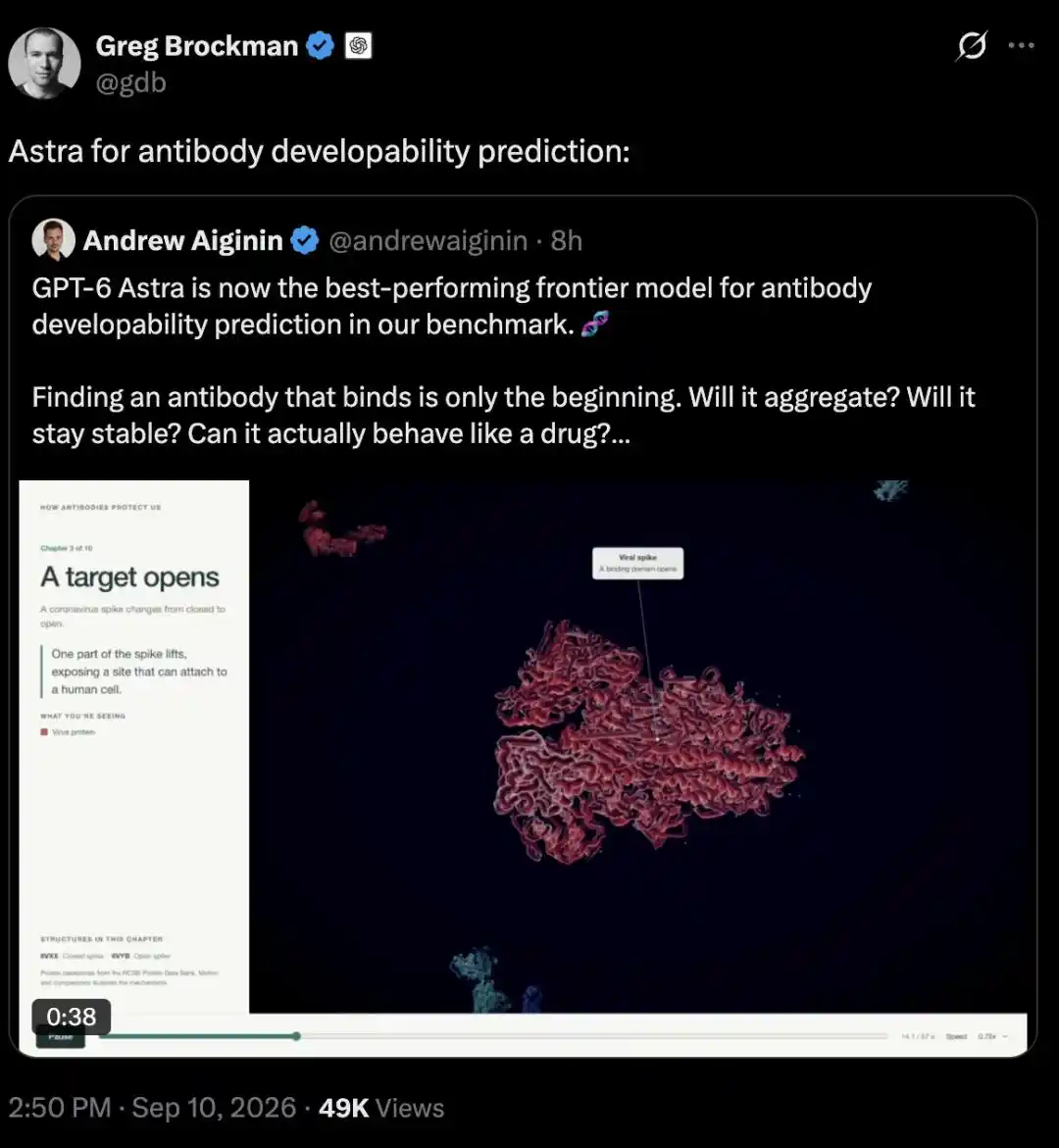
Not only did it secure the top score, but Astra also generated a complex, interactive visualization interface for antibody mechanisms in under one hour.
For years, there’s been a consensus in the field: “AI for Science must use specialized models for specialized problems.”
For example, AlphaFold excels at protein folding, while LLMs are typically used merely as auxiliary tools for coding or literature review.
But today, GPT-6 Astra has ripped a massive rift in that consensus!
It leverages general intelligence to directly tackle the most quantitatively elusive and clinically frustrating bottleneck in biopharmaceutical R&D.
And this wasn’t accidental. The elite AI drug discovery team Insilico Medicine, which built the test benchmark, has released a 21-page landmark paper on arXiv.
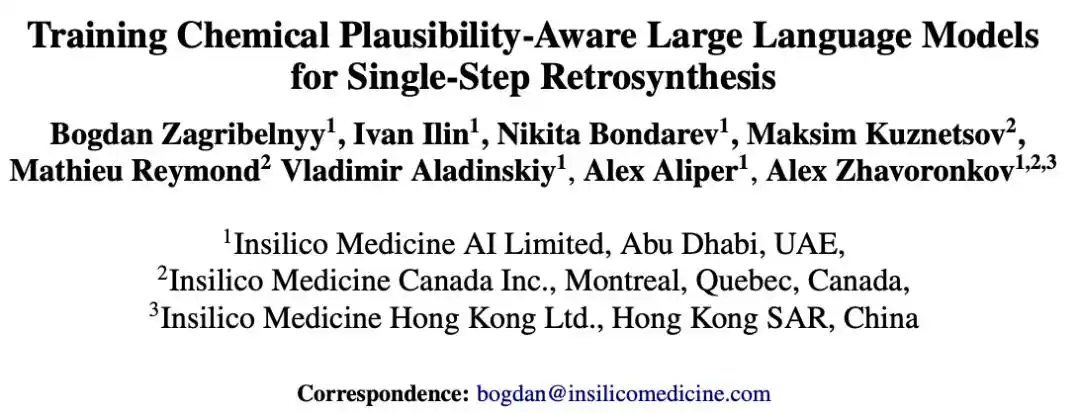
Title: Training Chemical Plausibility-Aware Large Language Models for Single-Step Retrosynthesis
Paper: https://arxiv.org/pdf/2608.18940
This paper not only reveals the extreme rigor of the DDD Benchmark used to evaluate GPT-6 Astra, but also demonstrates how general-purpose large models are now fully taking over the most demanding frontiers of science—from small-molecule chemical synthesis to large-molecule antibody prediction!
The paradigm shift in science after AlphaFold may have only just begun.
37.98 Points! GPT-6 Tops the Prestigious DDD Benchmark

Real-world test results show that after integrating GPT-6 Astra into the DDD Benchmark’s antibody developability module (which combines six distinct experimental datasets), it achieved an astonishing 37.98 score, decisively surpassing all other tested models.
AI scholar Rim Shayakhmetov expressed disbelief:
“What’s the typical score for specialized models on this task? This result is fascinating—you rarely see state-of-the-art large language models shine so brilliantly in drug discovery benchmarks without relying on external specialized tools!”
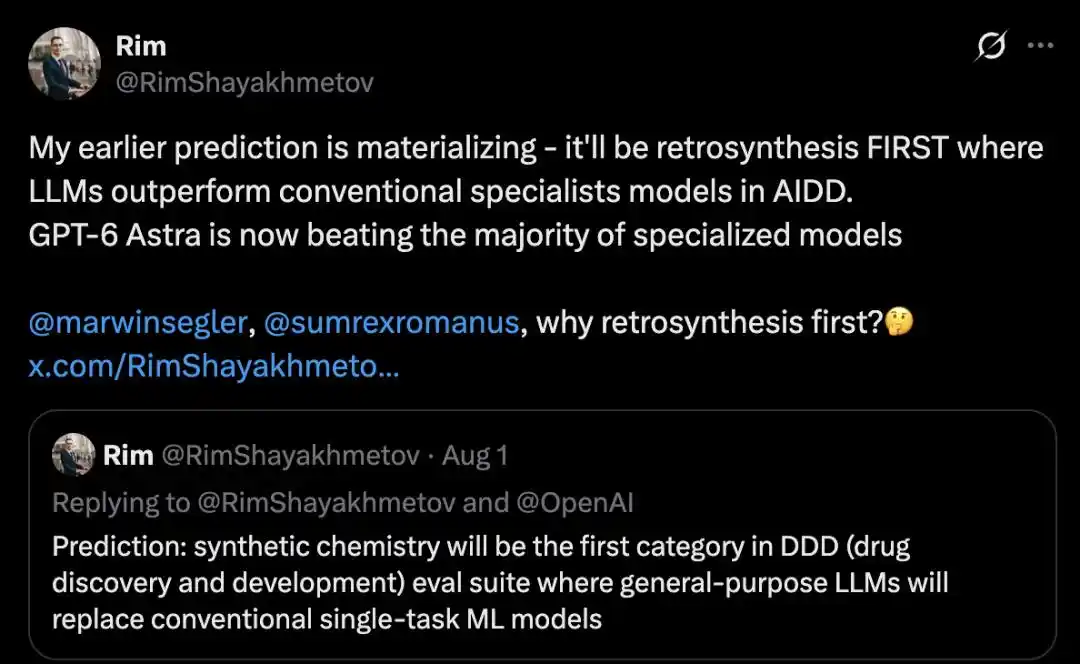
Without any specialized bioinformatics plugins or dedicated antibody data fine-tuning, a general-purpose large model has directly penetrated the core challenge of antibody developability. This is truly exhilarating.
Finding Antibodies Is Just the Start—the Real “Death Valley” Is Druglikeness
To grasp the true significance of GPT-6 Astra’s achievement, we must first understand a harsh reality in pharmaceuticals.
Andrew put it bluntly: “Finding an antibody that binds is just the beginning. Will it aggregate? Can it remain stable? Does it actually function like a real drug?”
This sentence captures the blood, sweat, and tears of countless new drug developers worldwide.
Historically, when discussing antibody drug development, the primary focus was always on “binding affinity.”
Simplistically, it means whether the antibody can precisely recognize and bind to a viral or cancer cell target—like a key fitting into a lock.
Early AI models (such as AlphaFold) have already performed exceptionally well in predicting binding.
But! Binding ≠ Druglikeness.
It’s like dating. Two people fall in love at first sight—just the beginning. Can they build a lasting relationship? Can they withstand the daily grind?
In drug development, this “daily grind” is known as “druglikeness.”
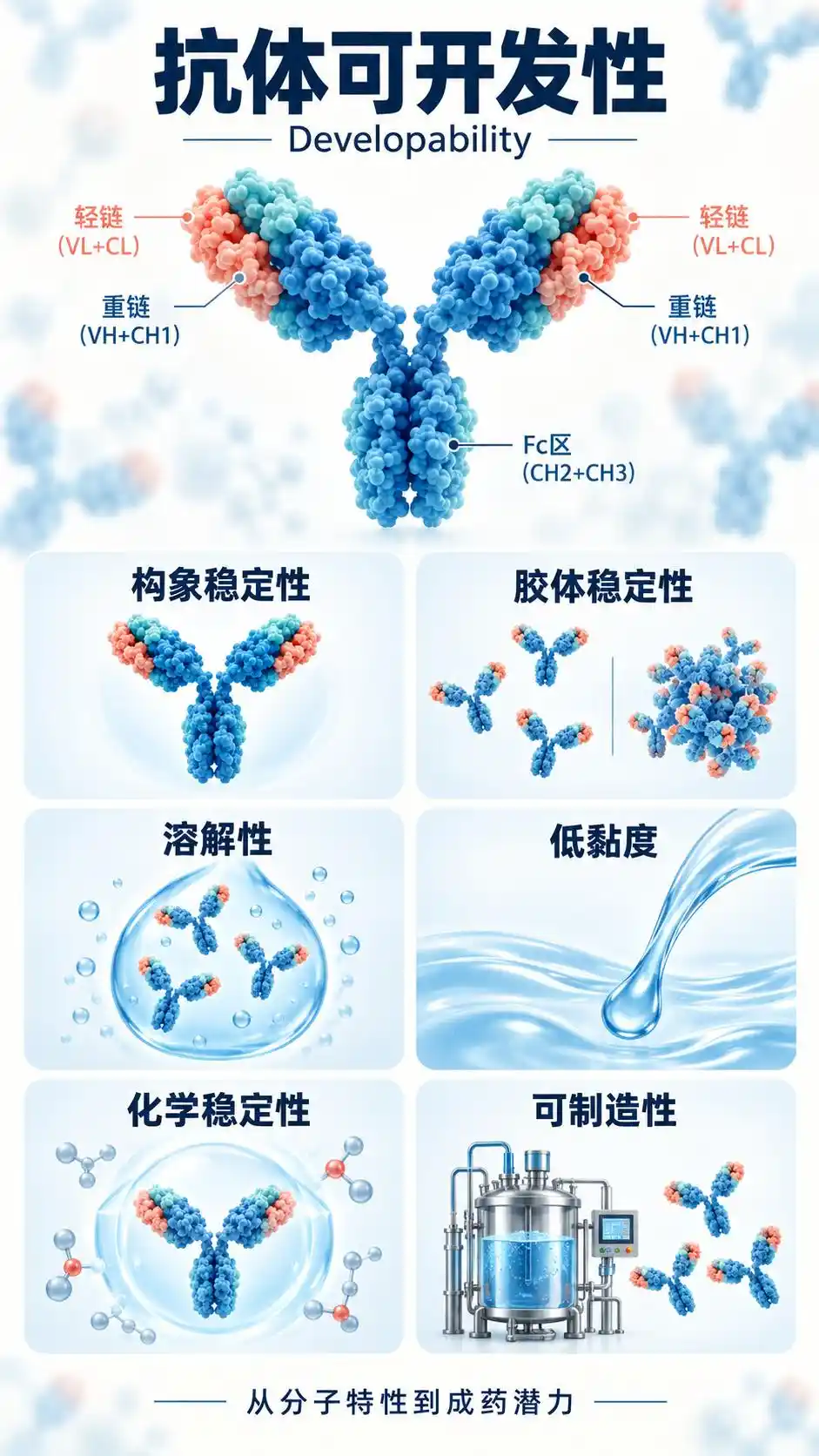
In reality, countless seemingly perfect antibodies with strong binding capabilities reveal fatal flaws once entering real physiological environments or industrial production:
Will it aggregate?
Is its structure stable?
Can it truly behave like a real medicine?
These attributes collectively constitute antibody developability.
This is the infamous “death valley” of biopharmaceuticals.
It leads to a devastating outcome: thousands of antibody molecules perform excellently in labs annually, yet ultimately fail during the “developability” assessment phase.
Pharmaceutical companies burn billions in investment and spend years—or even decades—only to achieve nothing.
Today, GPT-6 Astra declares it can predict these developability traits more accurately than any other existing cutting-edge model.
Unveiling the Trial: The “Hell-Level” Benchmark Facing GPT-6 Astra
Some might ask: Could this be another “benchmark inflation”?
Absolutely not.
Dr. Bogdan A. Zagribelnyy points out that Astra’s victory occurred on the DDD Benchmark platform they developed.
Reading their published paper reveals just how rigorous this evaluation system truly is.
Although the tweet discusses large-molecule antibodies, the paper showcases the team’s terrifying depth in establishing evaluation standards for small-molecule chemistry. Only with this context can you appreciate how extraordinary Astra’s win really is.
In the paper, the research team focused on another century-long challenge in drug discovery: single-step retrosynthesis.
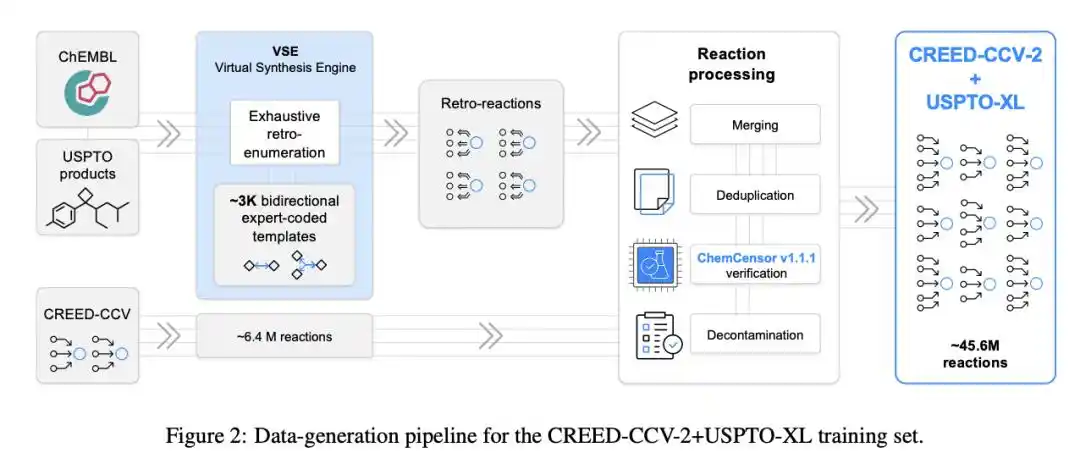
In simple terms, retrosynthesis is “reverse engineering in chemistry”—given a target drug molecule, you must deduce which readily available, low-cost chemical precursors can be used to synthesize it.
How were past AI evaluations conducted?
Give an AI a target molecule, the AI outputs a synthetic pathway; if it exactly matches a known entry in a patent database (e.g., USPTO), it scores 100 points.
But this approach is nearly impossible in practice. Because synthetic pathways are inherently “one-to-many,” traditional “single-answer” evaluation methods severely limit AI’s ability to explore novel solutions.
To counter this, the Insilico team constructed an almost unbearable testing environment:
1. URSA-expert-2026 Benchmark: A dataset of 100 newly generated molecules by machines, manually verified by top human chemists for synthetic feasibility. Completely isolated from any public training data, eliminating any possibility of model “memorization” or “cheating.”
2. ChemCensor Scoring System: Instead of checking for perfect replication of patents, they developed the ChemCensor framework, evaluating whether the generated reactions adhere to fundamental chemical and physical rules—from reaction center mapping to functional group compatibility.
Under such “bare bones” assessments based on physical and chemical laws, traditional LLMs largely failed.
In early Top-1 tests, even strong models like GPT-5.5 and Gemini 3.1 Pro could not surpass the best specialized traditional chemical models (e.g., MHNreact, LocalRetro).
It seemed that brute-force general LLMs had hit a wall.
45 Million Data Points: Did LLMs Get “Scientific Intuition” Forced Out?
If general LLMs can’t beat specialized models, what’s the solution?
The paper’s answer stunned the industry—don’t switch models; instead, change how we unlock the potential of general models.
The research team proposed three game-changing strategies that completely liberated the constraints on large models in chemistry:
First: Top-K Prompting Paradigm
Since retrosynthesis is inherently “one-to-many,” don’t force LLMs to guess just once.
The team explicitly instructed in the prompt: “Give me 15 different answers.”
Miraculously, simply switching to Top-K mode triggered explosive growth in both chemical plausibility and diversity across nearly all large models (GPT-5.5, Claude Opus series).
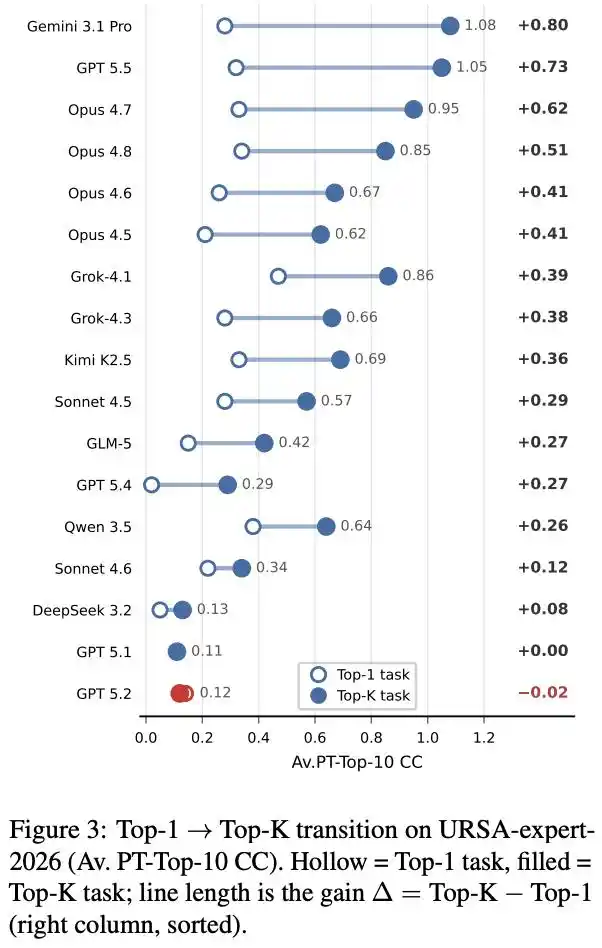
Gemini 3.1 Pro saw a dramatic performance boost in Top-15 mode, instantly becoming the strongest LLM baseline.
This proves that large models do possess scientific knowledge—they just weren’t being asked the right way before.
Second: Constructing a 45.6-Million-Scale Ultra-Large Validation Dataset (CREED-CCV-2+USPTO-XL)
To train a language model specifically aligned with chemical constraints (C3LM), the team invested massive computational resources. Using virtual synthesis engines and the ChemCensor framework, they built a super-large dataset containing approximately 45.6 million verified, real-world chemical reactions.
Third: Novelty Reward in Reinforcement Learning
During C3LM model fine-tuning, they introduced the GRPO reinforcement learning algorithm.
The reward function was extremely sophisticated: the synthetic path must not only satisfy ChemCensor’s chemical plausibility criteria, but if the model proposes a novel reaction never seen in the 45-million-train-set—even if still reasonable—it receives a massive additional reward.
What was the result?
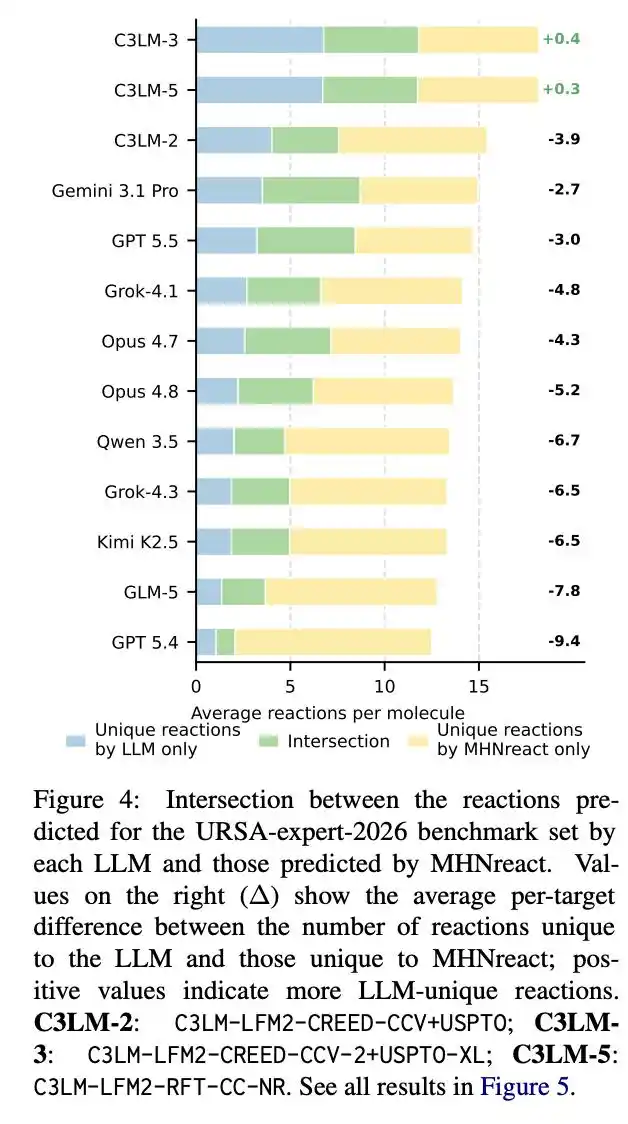
After this “hell-level” training, the C3LM model finally defeated all traditional specialized SSRS models (e.g., MHNreact) in blind testing on URSA-expert-2026!
Data analysis shows that C3LM and other base large models explored reaction spaces entirely complementary to those of traditional models, generating numerous unique pathways unimaginable to conventional systems.
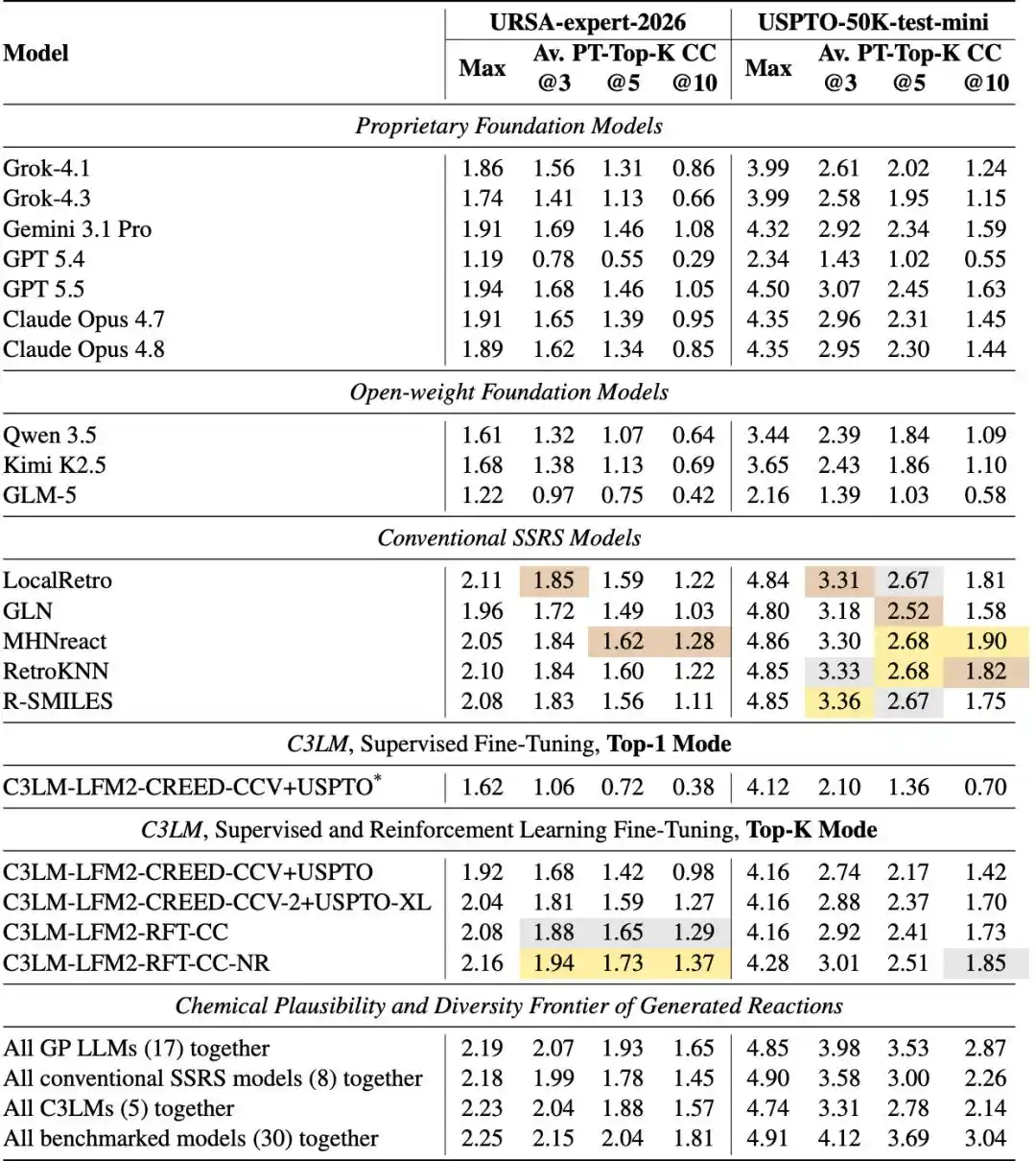
The paper’s core conclusion: Large language models aren’t just good at natural language—they can master the most profound chemistry, including bond mechanics, functional groups, and synthetic logic, given the right environment and incentives.
Overwhelming Dominance: From C3LM to GPT-6 Astra, General Intelligence Takes Full Control
If you understood the above paper, you’ll now see why Dr. Bogdan linked GPT-6 Astra’s results directly to it.
In this paper, the Insilico team went to extreme lengths—fine-tuning with 45 million data points, aligning via reinforcement learning, guiding with Top-K prompting—just to enable large models to surpass specialized models in small-molecule retrosynthesis.
Yet when the test shifted to the far more complex, higher-dimensional task of large-molecule developability prediction, GPT-6 Astra achieved a top score of 37.98 on the same DDD Benchmark system—without using any external tools.
This is true overwhelming dominance.
Previously, solving antibody stability required expert teams designing bespoke 3D graph neural networks.
Now, GPT-6 Astra appears to have internalized the fundamental physics, chemistry, and biology underlying the world within its general-purpose world model.
Having read vast amounts of human history’s scientific literature, patents, and experimental data—and even learned microscopic physical laws through multimodal learning—it can now intuitively judge why a protein molecule aggregates in solution, just like a human expert.
Moreover, Astra’s engineering efficiency is equally terrifying.
As Andrew Aiginin noted: “By the way, the interactive visualization page demonstrating the actual mechanism of antibody function was built by Astra in about one hour.”
In traditional pharma firms, building such a system would take weeks—minimum.
Now, one person, one hour, one general-purpose large model—done.
After AlphaFold, True Paradigm Shift
GPT-6’s top score on the antibody benchmark signals that general-purpose large models are showing early signs of AGI, achieving tangible dominance in humanity’s most advanced intellectual endeavors.
This number-one ranking heralds a new era—
For the next decade, the core driver of scientific discovery may no longer be creating a custom AI model for each isolated scientific problem; instead, it will be mastering how to craft the correct prompt for a god-like ASI.
Small-molecule retrosynthesis broken. Large-molecule developability broken.
From drug discovery to materials science, from fusion control to quantum physics, the spillover dividends of general-purpose models are about to surge like a tsunami across every hard-core industry.
Source: New Wisdom Yuan
Disclaimer: Contains third-party opinions, does not constitute financial advice


AI is not a search bar—it's a supercomputer costing just a few dozen dollars
08-05
Anthropic Locks in 6 Years of Compute with $10 Billion Commitment
08-05Not building robots—why is it worth $14 billion?
07-31AI is no longer competing on benchmark scores, but on profitability
07-25
ByteDance's Douyin Beans priced at 68 RMB—worth it for 382 million monthly active users?
07-25
Fields Medalist Concerned About AI Extinction Heads to OpenAI
07-25
Meta gives away models for free—who dares to price AI now?
07-24


