Use AI to build websites for people — earn $5,000 per project!
Use AI to build websites for people — earn $5,000 per project!
2026-07-13 08:52
Intro: Does the high-rated barber shop downstairs from your home have a website? Most don’t. That’s your opportunity — use AI to build websites for small businesses, charge $3,000 per project, deliver in half a day. Here’s how.
You surely know this type of business owner: runs a restaurant, a barber shop, or a small studio, wants a website but balks at quotes ranging from thousands to tens of thousands, then gives up.
That’s where you come in.
With AI tools, you can build a complete website in one afternoon, charging $2,000 to $5,000 per project.
Take on 4 to 5 projects a month, and your income easily exceeds $10,000.
And you don’t need to know how to code.

Why now is the perfect moment?
In the past, building a website meant either learning HTML/CSS/JS yourself or paying thousands to outsource to a developer.
Now, AI-powered website builders are mature and reliable. Just tell it: “I need a barber shop website with appointment booking, pricing table, and customer reviews,” and it generates everything automatically.
Moreover, this niche has a key trait: small business owners have demand, but lack someone to execute it.
Tell the shop owner: “I’ll build you a website for $3,000.” Most will accept.
Because traditional agencies quote $8,000 to $15,000 — you’re offering them over 50% savings.
Yet your actual effort is less than half a day.
Which tools should you use?
Currently, mainstream AI website builders fall into two categories:
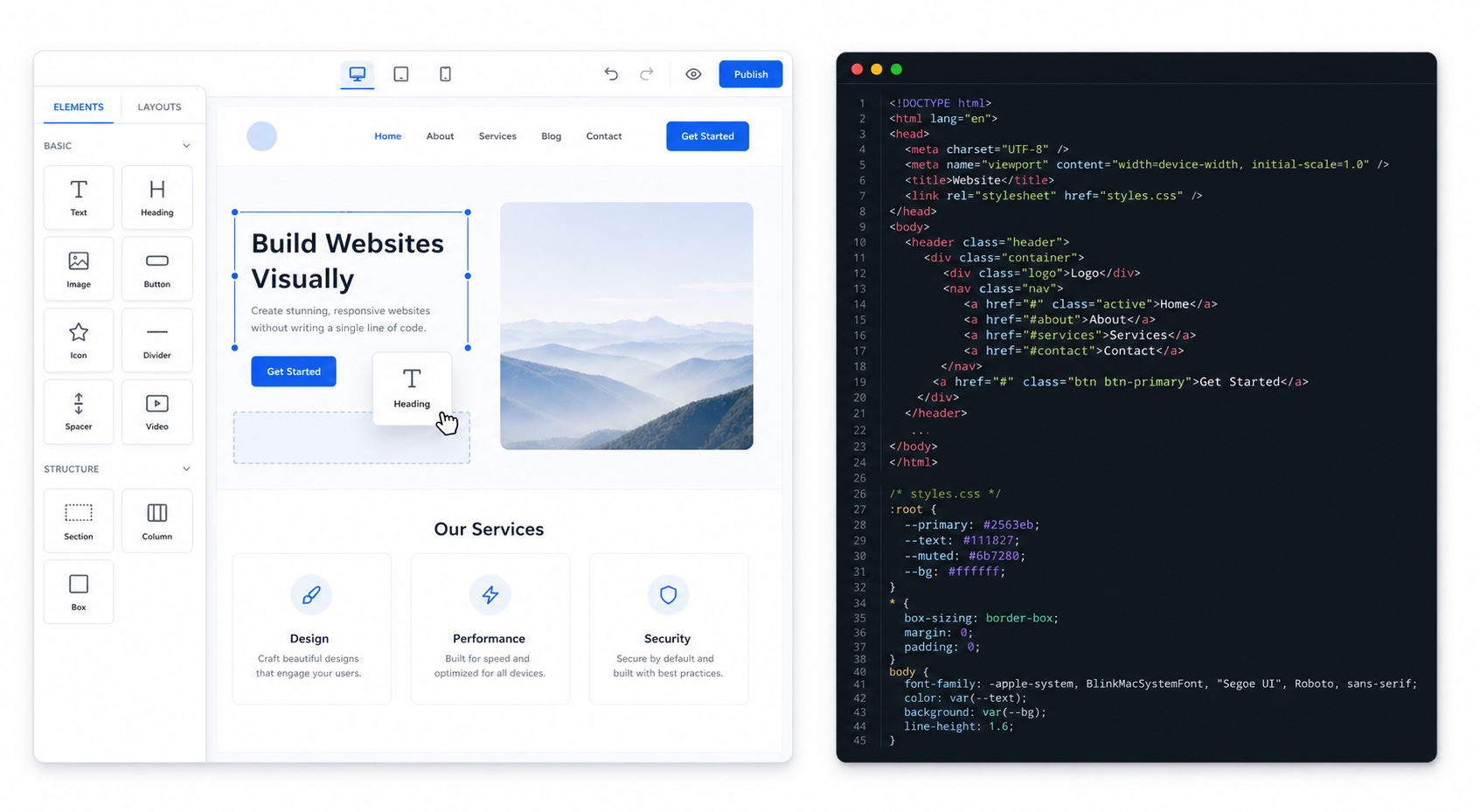
The first is drag-and-drop platforms: select an industry template, and AI auto-fills content and layout. You only need minor tweaks to text and images before delivery. These are beginner-friendly, require no technical background, and ideal for standard informational websites.
The second is AI code generators: describe your needs, and it outputs ready-to-deploy HTML code. Offers greater flexibility and customization, but requires basic coding knowledge — at minimum, ability to edit code and deploy to servers. Best suited for premium custom projects.
Beginners should start with drag-and-drop tools. Take on a few projects to gain experience, then progress to code-generation tools for differentiation.
How to find clients?
Don’t post ads online — they perform poorly.
Go offline and talk directly.
Step 1: Open Meituan or Dianping, search for high-rated local shops in your area that lack a dedicated website.
You’ll find at least half of physical stores don’t have independent websites.
Step 2: Visit in person or call.
Simple pitch: “Hi boss, I noticed your shop has a great rating on Dianping, but no official website? I help local businesses build websites — we can launch one in under a day, all-inclusive for $3,000.”
Key point: Bring proof. Create three sample sites upfront — e.g., “Lao Wang’s Barber Shop,” “Xiao Li’s Café” — showcase real mockups.
Seeing a live example beats hearing 100 sales pitches.
Step 3: Turn customers into referrals.
After each successful project, say: “If any of your friends need a site, refer them to me — I’ll give you $200 commission.” Word-of-mouth growth beats cold outreach.
How does a single project actually work?
The entire process takes less than half a day:
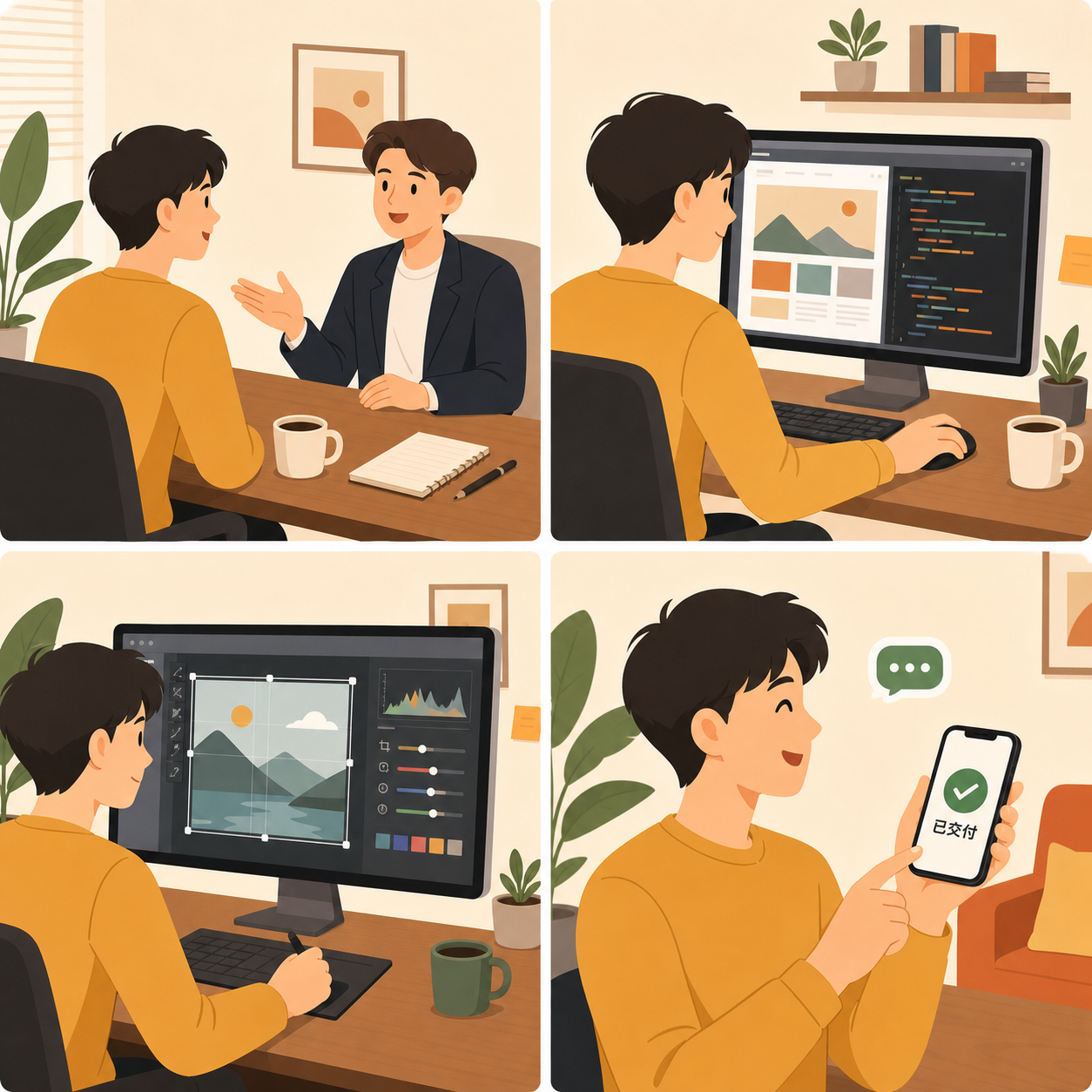
9:00–10:00 AM: Discuss requirements. Ask three questions: What’s your core service? What do you want visitors to see most? Do you have competitor websites to reference?
10:00–11:00 AM: Open a drag-and-drop builder, pick an industry template, input client-provided details. AI auto-generates four core pages: homepage, about us, services, contact info.
11:00 AM–12:00 PM: Fine-tune. Fix awkward AI-generated copy, replace placeholder images (use client’s own photos or generate relevant ones via AI), adjust colors and layout to reflect the shop’s authentic brand identity.
Send final version to client in the afternoon. Two rounds of minor revisions, deliver same day.
Remember: Clients don’t want a flashy site — they want a functional, professional-looking website.
Don’t waste time on animations or font choices. Clean, fast execution is the ultimate service.
What’s the potential income?
For third-party platform gigs (e.g., Shangshang.com, Fanke), prices between $2,000 and $3,500 are reasonable.
If clients request custom features — like online booking, membership system, multilingual support — charge $5,000 to $8,000.
Assuming five projects at $3,000/month, monthly income reaches $15,000.
Once proficient, you can handle two clients simultaneously, pushing monthly earnings beyond $20,000.
Is this a one-time job or recurring revenue?
Explain: “Website content updates are required for search engine indexing.” Then charge $500 to $1,000 monthly for maintenance.
Build a portfolio of 20 maintenance clients, and you’ll earn $10,000–$20,000 in passive income per month.
Where are the pitfalls?
First, avoid distant clients. Start with local, ideally within bike-ride distance. Remote clients have high risk of payment delays; face-to-face communication saves time.
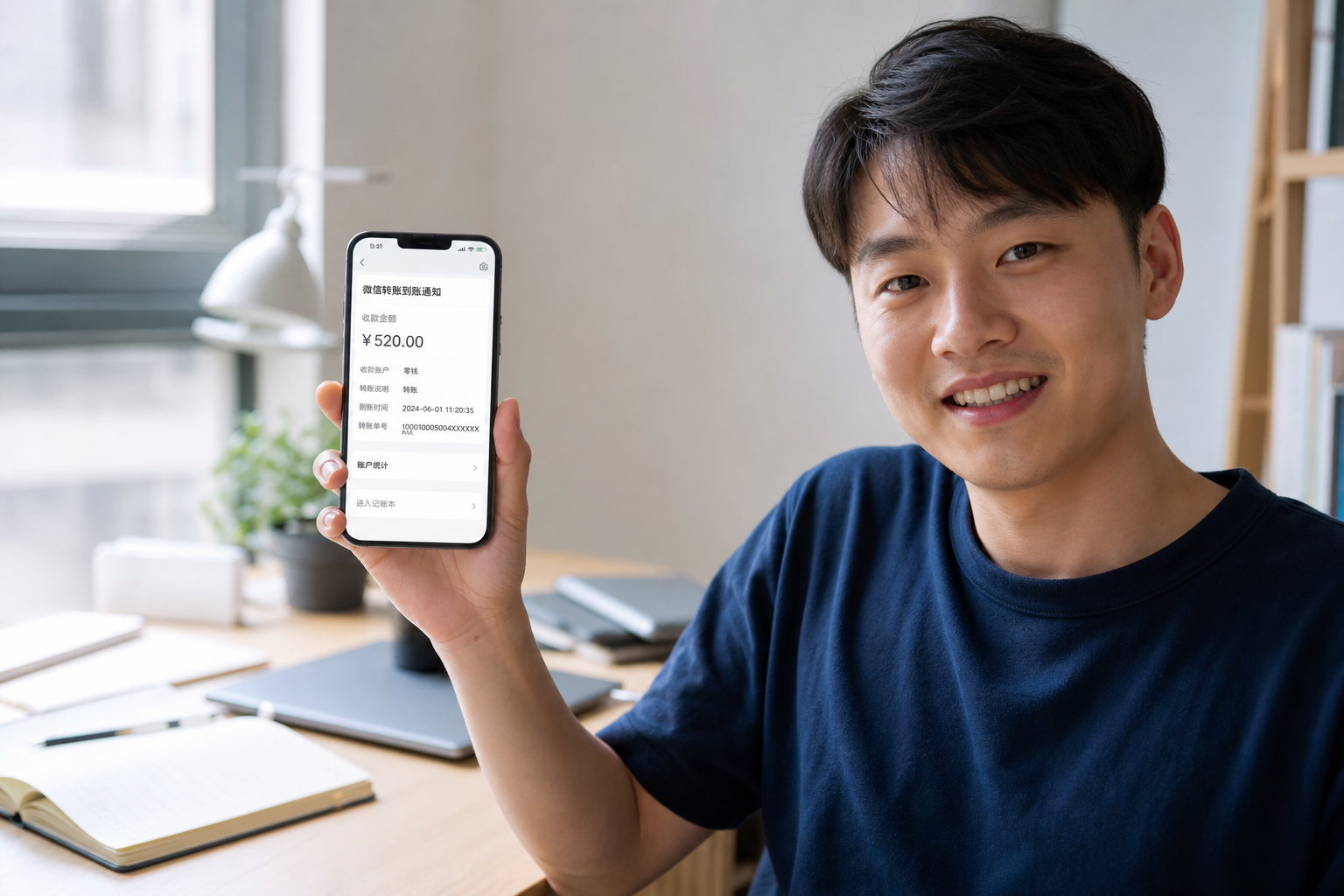
Second, never start work after receiving deposit, nor release final delivery until full payment. Use a three-phase payment model: 30% upfront upon contract signing → 40% after draft delivery → 30% after launch. This protects you if the client disappears.
Third, avoid projects requiring backend systems. E-commerce sites, community forums, online education platforms — while appearing as “website builds,” they involve complex backend development that AI cannot handle. Stick to simple, static informational websites initially.
Fourth, let clients purchase their own domain and hosting. You assist with configuration, but keep the account credentials in their hands. Otherwise, if the site crashes overnight, you’ll be blamed despite not being paid.
The first three months are toughest — no case studies, no reputation, no trust. Push through, and it becomes a snowball effect.
Disclaimer: The above is based on personal observation and sharing, not investment or business advice.
Disclaimer: Contains third-party opinions, does not constitute financial advice
Town – An active AI personal assistant that collaboratively coordinates schedules
17 hours ago
Seven exclusive closed-door sessions with top-tier decision-makers, uncovering the most authentic insights and cutting-edge judgments on AI deployment
1 day ago
The "rat race" in East Asian education is being re-exported through AI
1 day ago
ABot-Earth 0.7 – The World’s First 3D-Native Urban World Model Launches by Gaode
1 day ago
JPMorgan Bullish on Meta: Muse, Model API, and Subscriptions Drive $820 Price Target
1 day ago
GPT-6 Tops the Charts, Biggest Shock After AlphaFold, Emerges as the Most Powerful AI for Antibody Prediction
1 day ago
Nobel Heroes & AI4SCI Summit 2026 to Launch in Singapore This October
1 day ago
EchoWM – JD.com's Open-Source Interactive Multimodal World Model
1 day ago


